
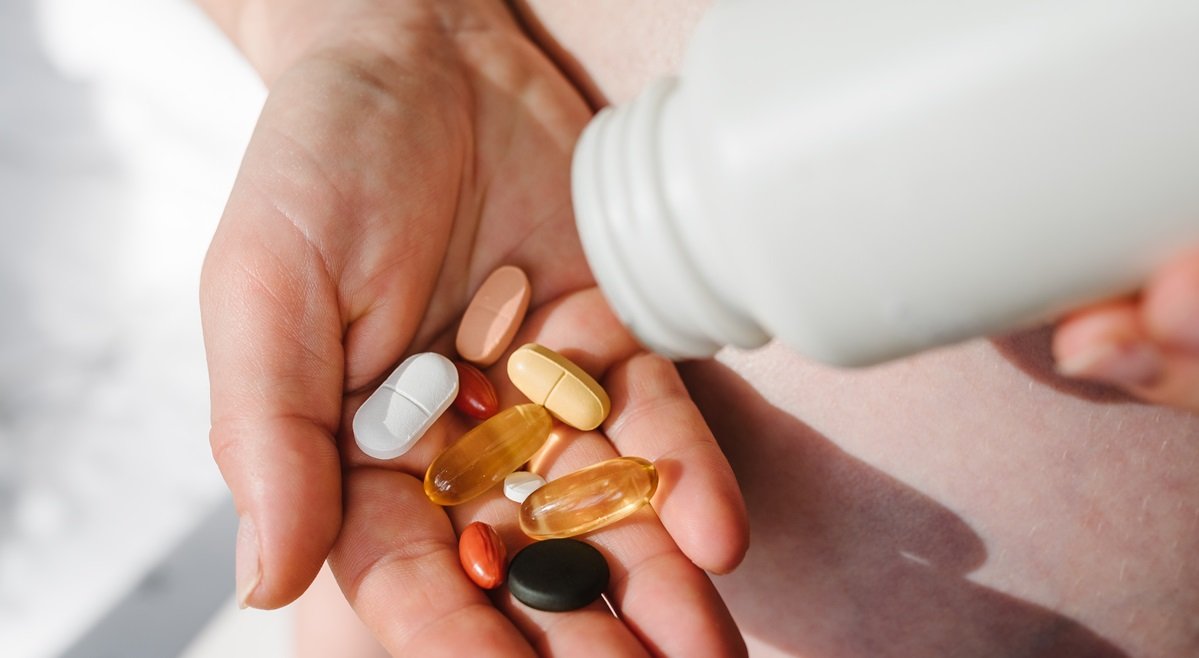
It is one of the most common questions in modern preventative health and sports nutrition: should I take a multivitamin?
Proponents argue that daily broad-spectrum supplementation acts as an indispensable “insurance policy” against micronutrient deficiencies caused by poor soil quality, processed food consumption, and busy modern lifestyles. Conversely, critics suggest that for healthy individuals consuming a varied diet, multivitamins yield minimal measurable clinical benefit and merely create expensive urine.
                  ┌─────────────────────────────────────────┐
                  │      DIETARY MICRONUTRIENT INTAKE       │
                  └────────────────────┬────────────────────┘
                                       │
            ┌──────────────────────────┴──────────────────────────┐
            ▼                                                     ▼
┌───────────────────────┐                             ┌───────────────────────┐
│   WHOLE FOOD MATRIX   │                             │ BROAD MULTIVITAMIN    │
│ High Bioavailability  │                             │ Fills General Gaps    │
│ Synergistic Factors   │                             │ Variable Bioavailability│
└───────────┬───────────┘                             └───────────┬───────────┘
            │                                                     │
            └──────────────────────────┬──────────────────────────┘
                                       │
                                       ▼
                  ┌─────────────────────────────────────────┐
                  │    TARGETED NUTRIENT OPTIMIZATION       │
                  │   Address Specific Individual Gaps      │
                  └─────────────────────────────────────────┘
The scientific consensus lands in a nuanced middle ground. While a multivitamin cannot replace the complex phytochemical and fiber matrix of whole foods, specific populations—including high-volume endurance athletes, plant-based individuals, older adults, and those under heavy physiological stress—derive substantial benefit from strategic micronutrient fortification.
1. Bridging Dietary Gaps and Soil Depletion
Epidemiological surveys consistently reveal that large segments of the population fail to meet the Recommended Dietary Allowance (RDA) for essential vitamins and minerals through food intake alone. Modern agricultural practices, extended storage durations, and crop processing have gradually reduced the trace mineral density of many dietary staples over the past half-century.
When daily intake chronically falls below optimal thresholds, subclinical deficiencies develop. Unlike overt deficiency diseases (such as scurvy or rickets), subclinical deficiencies present as subtle physiological impairments:
Mitochondrial Inefficiency: Insufficient B-complex vitamins slow down the citric acid cycle, leading to ongoing lethargy and reduced physical output.
Impaired Recovery: Inadequate zinc and magnesium attenuate protein synthesis rates and blunt tissue repair following physical exertion.
Compromised Immunity: Low circulating levels of vitamins A, C, D, and E compromise mucosal defenses and increase vulnerability to seasonal pathogens.
➡️ Why Consistency Beats Optimization Every Time
2. Six Scenarios Where a Multivitamin Is Scientifically Justified
While indiscriminate supplementation is inefficient, clinical research highlights six distinct scenarios where taking a broad-spectrum or targeted multivitamin provides clear therapeutic advantages.
                             [ PHYSIOLOGICAL STRESSORS ]
                                         │
    ┌────────────────┬───────────────────┼───────────────────┬────────────────┐
    ▼                ▼                   ▼                   ▼                ▼
[ Incomplete ] [ Plant-Based ]    [ Aging & Reduced ]  [ High Training ]  [ Pregnancy ]
[   Diets    ] [ Nutrition   ]    [ GI Absorption   ]  [ Load / Stress ]  [ & Lactation ]
A. Incomplete or Calorie-Restricted Diets
Individuals undergoing aggressive fat loss phases or managing extremely busy schedules often restrict overall food volume. As total caloric intake decreases, the probability of meeting micronutrient thresholds through whole foods drops exponentially. A daily multivitamin acts as a nutritional safety net during sustained energy deficits.
B. Plant-Based and Vegan Diets
Ethical and environmental dietary patterns provide exceptional antioxidant and prebiotic fiber density, but certain nutrients are virtually absent or far less bioavailable in plant tissues:
Vitamin B12 (Cobalamin): Essential for red blood cell synthesis and neurological integrity; mandatory for strict vegans to supplement.
Vitamin D3 & Zinc: Non-heme zinc phytate binding lowers intestinal absorption rates, while Vitamin D3 requires careful monitoring regardless of dietary preference.
➡️ 9 Essential Supplements for Vegan Endurance Athletes.
C. Age-Related Malabsorption and Cognitive Protection
As adults age, gastric acid production declines (atrophic gastritis), impairing the cleaving and absorption of bound nutrients such as B12, calcium, and iron. Furthermore, randomized controlled trials demonstrate that daily multivitamin use in older adults supports cognitive longevity, specifically preserving immediate recall memory performance over extended follow-up periods.
D. High Training Load and Metabolic Stress
Endurance athletes and heavy strength practitioners generate significantly higher reactive oxygen species (ROS) and undergo greater micronutrient turnover through sweat, urinary excretion, and tissue remodeling. Micronutrients serve as crucial cofactors for antioxidant enzymes (e.g., superoxide dismutase requires zinc, copper, and manganese).
When heavy physical loading is combined with environmental stress, targeted supplementation helps preserve immune function.
➡️ Plant-Based Diets & Immune Resilience Under Heavy Training Load
E. Medical Conditions and Medication Interactions
Common prescription pharmaceuticals disrupt intestinal nutrient handling. For instance, long-term use of proton pump inhibitors (PPIs) or metformin depletes serum B12 and magnesium levels. In these clinical contexts, therapeutic multivitamin formulas restore physiological equilibrium under medical oversight.
F. Pregnancy and Pre-Conception Development
Maternal physiological demands expand rapidly during pregnancy and lactation. Adequate folate (specifically methylfolate) is critical during early gestation to prevent neural tube defects, while iron and choline support expanded maternal blood volume and fetal brain development.
3. Whole Foods vs. Synthetic Supplements: The Synergy Factor
A common pitfall in supplementation is viewing a multivitamin as a wholesale replacement for quality nutrition. Whole foods contain a complex matrix of fiber, trace bioflavonoids, and co-enzymes that operate synergistically to enhance intestinal absorption.
Synthetically isolated vitamins lacking this natural matrix may exhibit lower bio-activity or faster clearance rates. Therefore, multivitamins should always serve as an additive layer atop an unrefined, whole-food dietary foundation.
Strategic Comparison: Whole Food Matrix vs Multi-Supplementation
| Attribute | Whole Food Matrix | Broad-Spectrum Multivitamin | Targeted Individual Supplementation |
| Nutrient Synergy | High; contains fiber & co-factors | Low to Moderate; isolated compounds | High precision for single active compounds |
| Deficiency Prevention | Ideal for general population health | Effective for filling widespread baseline gaps | Superior for correcting diagnosed clinical deficiencies |
| Convenience & Portability | Requires meal prep & planning | High; single daily pill or capsule | Requires managing multiple individual bottles |
| Risk of Excessive Dose | Virtually zero from whole foods | Low; usually formulated near 100% RDA | Moderate; requires monitoring upper limits (UL) |
| Cost Efficiency | High overall value for total health | Low daily cost ($0.20–$0.75/day) | Higher cost per individual targeted compound |
—–
Actionable Steps: How to Choose and Time Your Multivitamin
If you determine that a multivitamin aligns with your current life stage, diet, or training load, follow these evidence-based selection criteria:
Verify Third-Party Testing: Choose products certified by independent testing bodies (such as NSF Certified for Sport, USP, or Informed-Choice) to guarantee label accuracy and ensure the absence of heavy metals or prohibited substances.
Prioritize Bioavailable Forms: Look for active chemical forms on the ingredient panel—such as methylcobalamin (active B12) instead of cyanocobalamin, L-5-methyltetrahydrofolate (active folate) instead of synthetic folic acid, and bisglycinate chelated minerals for superior GI tolerance.
Consume with Fat-Containing Meals: Fat-soluble vitamins (A, D3, E, and K2) require dietary lipids for micellar solubilization and absorption across the intestinal lumen. Always take your multivitamin alongside a meal containing healthy fats.
Avoid High-Dose Competition: Mega-dosed multivitamins containing 1,000% or more of the Daily Value for every nutrient often create intestinal transport competition (e.g., high-dose zinc blocking copper absorption). Stick to balanced formulas centered around 100-200% of daily values unless correcting a diagnosed deficiency under medical guidance.
References
Baker, L. D., Manson, J. E., Rapp, S. R., Sesso, H. D., Gaussoin, S. A., Shukitt-Hale, B., Luchsinger, J. A., Baker, T. A., & Espeland, M. A. (2023). Effects of cocoa extract and a multivitamin on cognitive function: Results from a randomized clinical trial. Alzheimer’s & Dementia, 19(4), 1308–1319.
Blumberg, J. B., Frei, B., Fulgoni, V. L., Weaver, C. M., & Zeisel, S. H. (2018). Impact of multivitamin/mineral supplements on nutritional adequacy in simple populations. Nutrients, 10(2), 248.
Gombart, A. F., Pierre, A., & Maggini, S. (2020). A review of micronutrients and the immune system-working in harmony to reduce the risk of infection. Nutrients, 12(4), 1181.
Melina, V., Craig, W., & Levin, S. (2016). Position of the Academy of Nutrition and Dietetics: Vegetarian diets. Journal of the Academy of Nutrition and Dietetics, 116(12), 1970–1980.
Reider, C. A., Chung, R. Y., Devarshi, P. P., Grant, R. W., & Hazels Mitmesser, S. (2020). Inadequacy of immune health nutrients: Intakes in US adults, the 2005–2016 NHANES. Nutrients, 12(6), 1735.