
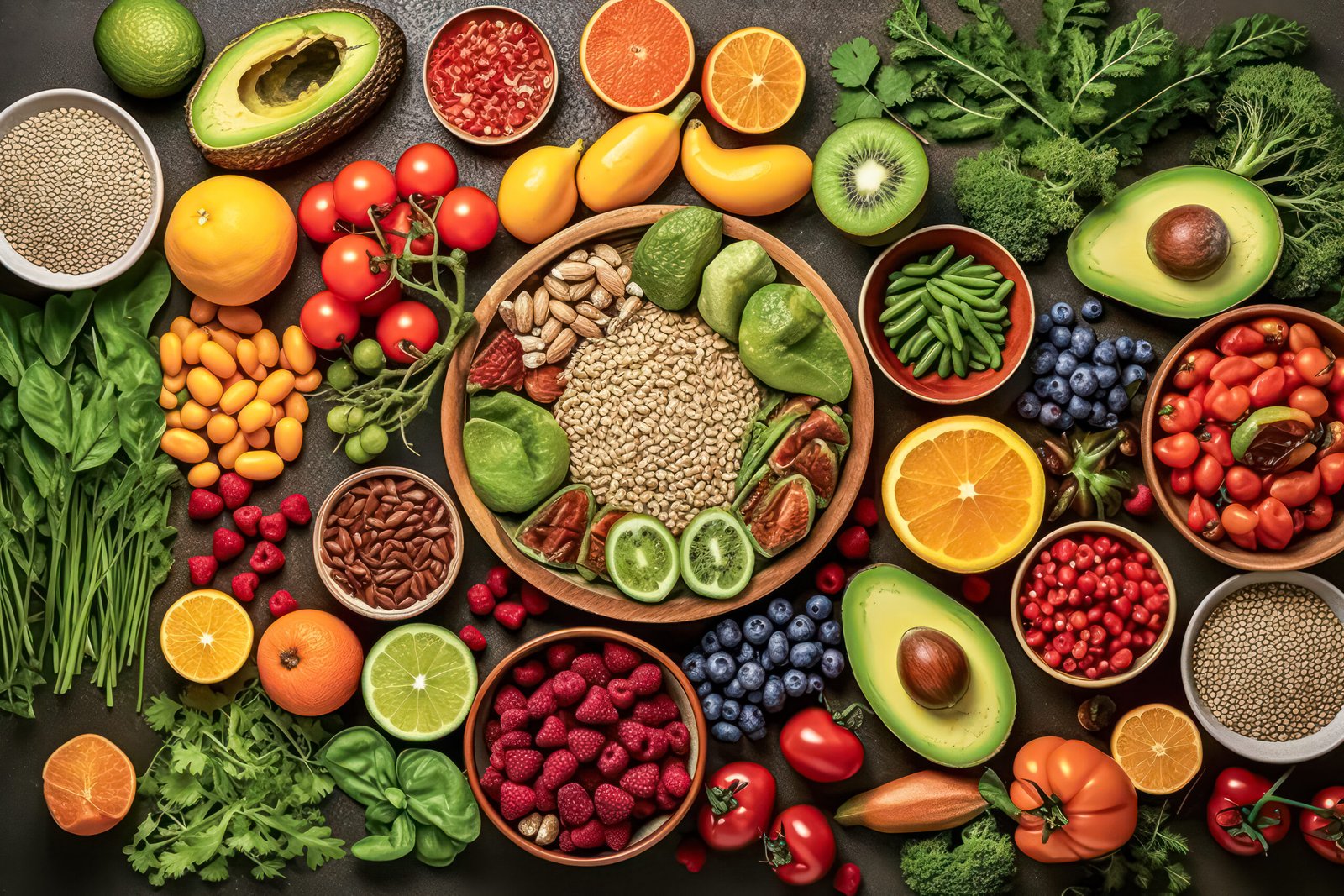
The concept of “detoxification” is frequently misunderstood in popular fitness media, often reduced to extreme juice fasts, laxative teas, or unverified commercial cleanses. From a biochemical standpoint, human dietary detoxification does not rely on external products. Instead, it refers to optimizing the body’s innate enzymatic pathways—primarily in the liver, kidneys, gastrointestinal tract, and skin—by replacing inflammatory, ultra-processed foods with nutrient-dense whole plant foods.
When transitioning to a whole-food, plant-based diet, you eliminate dietary burdens like excess saturated fats, refined sugars, and synthetic additives while supplying essential phytochemicals and fiber. This dietary shift enhances hepatic Phase I and Phase II biotransformation, balances metabolic pH buffering, and reduces systemic oxidative stress.
The Physiology of Endogenous Biotransformation
                       HEPATIC BIOTRANSFORMATION PATHWAYS
│                                                                               │
│  FAT-SOLUBLE TOXINS  ──► PHASE I (Cytochrome P450) ──► REACTIVE INTERMEDIATES │
│                                                             │                 │
│                                                             ▼                 │
│  WATER-SOLUBLE WASTE ◄── PHASE II (Nrf2 / Conjugation) ◄────┘                 │
│          │                                                                    │
│          ▼                                                                    │
│  EXCRETION via Kidneys (Urine) & Biliary/GI Tract (Feces)                     │
The human body manages internal waste and environmental xenobiotics through a highly orchestrated, two-phase enzymatic process:
Phase I Functionalization (Cytochrome P450 Enzymes): Fat-soluble compounds undergo oxidation, reduction, or hydrolysis to expose reactive sites. This intermediate step temporarily generates reactive oxygen species (ROS) that require immediate neutralization.
Phase II Conjugation (Nrf2 Pathway Activation): Enzymes such as glutathione S-transferases (GSTs) and UDP-glucuronosyltransferases attach water-soluble molecules (like amino acids or sulfur) to the intermediate metabolites. This renders them harmless and water-soluble for excretion via bile or urine.
5 Physiological Benefits of a Whole-Food Plant “Detox”
1. Enhanced Excretion of Metabolic Waste
A nutrient-dense diet rich in hydration and minerals supports kidney filtration and biliary secretion. Phytochemicals found in cruciferous vegetables (such as glucoraphanin, which converts to sulforaphane) activate the Nrf2-Keap1 pathway, triggering the transcription of Phase II protective enzymes.
2. Improved Digestion and Gastrointestinal Binding
Whole plant foods supply abundant dietary fiber (both soluble and insoluble). Fiber increases stool volume and accelerates transit time, preventing autointoxication—the reabsorption of excreted metabolic waste and cholesterol back into hepatic circulation through the gut wall.
3. Reduction in Systemic Inflammation
Diets high in refined sugars, trans fats, and advanced glycation end-products (AGEs) trigger systemic inflammatory cascades. Transitioning to antioxidants, polyphenols, and essential omega-3s calms nuclear factor kappa B (NF-kB) signaling, lowering circulating C-reactive protein (CRP) levels.
4. Supporting Acid-Base Homeostasis & Bicarbonate Buffering
While blood pH is strictly regulated between 7.35 and 7.45 by renal and respiratory systems, diets heavy in animal proteins and processed salts produce a high potential renal acid load (PRAL). Consuming potassium- and magnesium-rich alkaline-forming plant foods reduces renal acid excretion stress, preserving endogenous bicarbonate buffers.
5. Sustained Cellular Energy & ATP Resynthesis
Eliminating glycemic spikes from processed sugars stabilizes blood glucose. When cells receive a steady flow of micronutrients, mitochondrial electron transport chain efficiency improves, leading to noticeable increases in daily energy and mental clarity.
Whole Plant Foods That Activate Detoxification Enzymes
| Food Category | Key Bioactive Compound | Primary Physiological Mechanism |
| Cruciferous Vegetables (Broccoli, Kale, Brussels Sprouts) | Glucosinolates / Sulforaphane | Activates Nrf2 pathway & Phase II GST enzymes |
| Allium Vegetables (Garlic, Onions, Leeks) | Organosulfur Compounds | Boosts intracellular glutathione synthesis |
| Berries & Dark Leafy Greens | Polyphenols & Chlorophyll | Neutralizes Phase I free radical intermediates |
| Legumes & Oats | Soluble Fiber (Beta-Glucan) | Binds biliary cholesterol & accelerates GI excretion |
—–
Integrating Dietary Cleansing with Fitness & Recovery
Optimizing your body’s innate clearing processes works best when paired with strategic recovery, fueling, and lifestyle habits:
Hydration & Morning Activation: Kickstart fluid balance and circadian entrainment with our guide to Morning Routine Habits for High Energy, Lower Cortisol, and All-Day Focus.
Whole Foods vs. Processed Options: Learn how to balance whole plant foods against convenience options in Processed Vegan Meats vs Whole Foods: Performance & Health Audit.
Fueling Muscle Recovery: Ensure your clean eating plan meets amino acid requirements using How Much Protein Do Plant-Based Athletes Really Need to Build Muscle?.
Restorative Sleep Mechanisms: Discover how nighttime rest supports brain glymphatic clearing in the Power of a Good Night’s Sleep: 10 Science-Backed Benefits.
Ready to optimize your plant-based nutrition, daily vitality, and long-term wellness? Explore how Online Fitness Coaching can help you achieve your goals today!
References
Morimitsu, Y., Nakagawa, Y., Hayashi, K., Fujii, H., Kumagai, T., Nakamura, Y., Osawa, T., Horio, F., Itoh, K., Iida, K., Yamamoto, M., & Uchida, K. (2002). A sulforaphane analogue that potently activates the Nrf2-dependent detoxification pathway. Journal of Biological Chemistry, 277(5), 3456–3463.
Zhou, R., Lin, J., & Wu, D. (2014). Sulforaphane induces Nrf2 and protects against CYP2E1-dependent binge alcohol-induced liver steatosis. Biochimica et Biophysica Acta (BBA) – General Subjects, 1840(1), 209–218.