
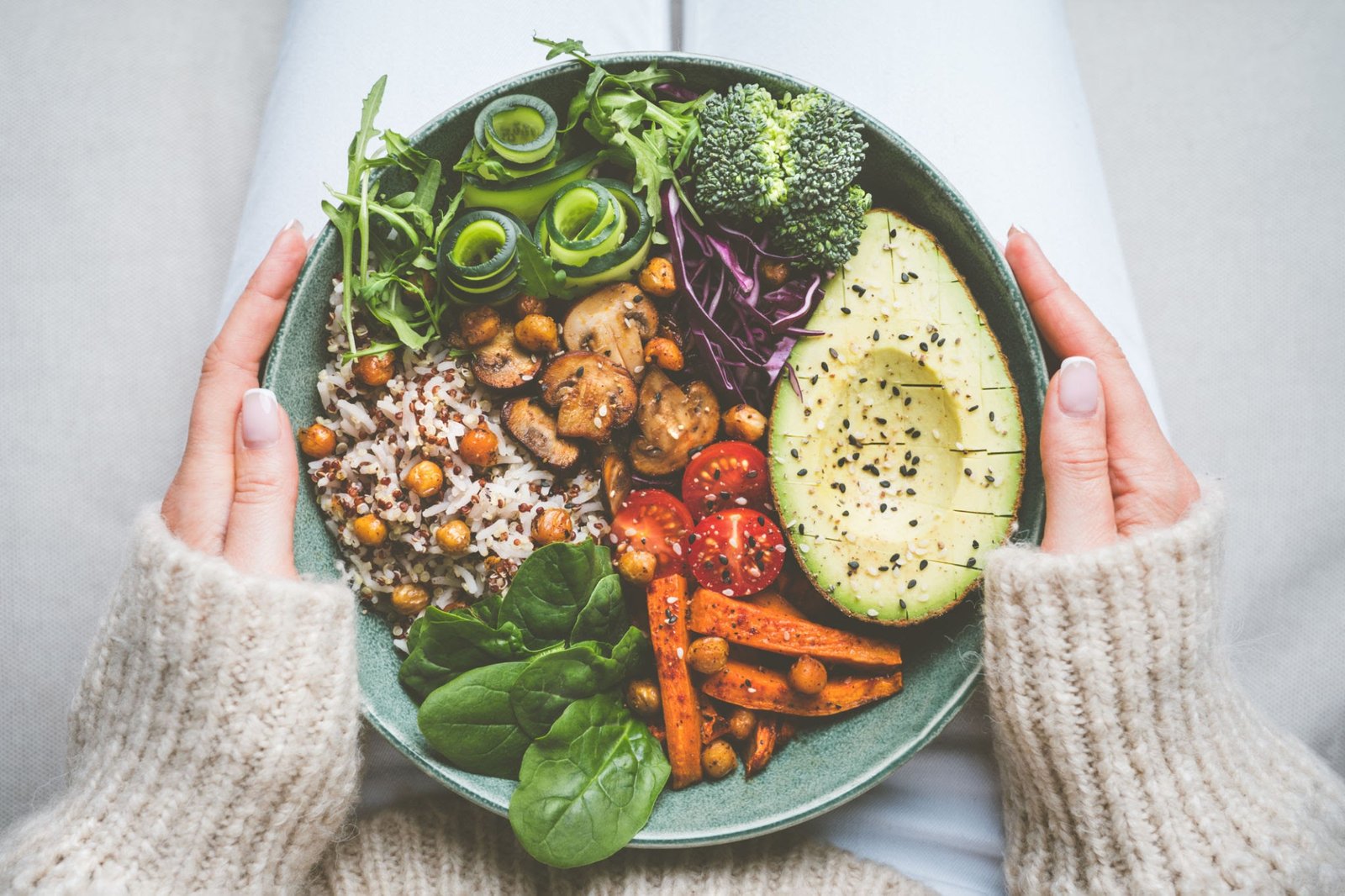
During prolonged periods of high-volume training, endurance athletes often walk a fine line between peak physiological adaptation and overreaching. A well-documented challenge in exercise immunology is the transient suppression of immune function following acute, strenuous endurance efforts. Fortunately, emerging clinical evidence demonstrates how plant-based diets and immune resilience can be optimized to buffer against illness, fortify gut barrier integrity, and reduce upper respiratory infection risk during high-volume training blocks.
              [ HEAVY TRAINING LOAD / PROLONGED EXERCISE STRESS ]
                                       │
        ┌──────────────────────────────┴──────────────────────────────┐
        ▼                                                             ▼
┌──────────────────────────────┐                             ┌──────────────────────────────┐
│ EXERCISE IMMUNOSUPPRESSION   │                             │ NUTRITIONAL PREVENTATIVE     │
│ • ↓ Salivary Secretory IgA   │                             │ • High Polyphenol Ingestion  │
│ • ↑ Circulating Cortisol     │                             │ • SCFA Production (Gut)      │
│ • Open Window for Pathogens  │                             │ • Antioxidant Capacity Up    │
└──────────────┬───────────────┘                             └──────────────┬───────────────┘
               │                                                            │
               └──────────────────────► [ NET RESULTS ] ◄───────────────────┘
                                 • Reduced URTI Incidence
                                 • Preserved Mucosal Barrier
                                 • Faster Training Consistency
1. The Heavy Training Load Dilemma: URTI Risk & The “Open Window”
High-intensity or prolonged endurance workouts (>90 minutes) trigger a transient surge in stress hormones—primarily cortisol and catecholamines—alongside elevated reactive oxygen species (ROS). This biochemical stress temporarily impairs immune surveillance, a paradigm historically referred to as the “Open Window Theory.”
Key Immunological Biomarkers Affected:
Salivary Secretory IgA (sIgA): As the body’s primary mucosal defense against airborne pathogens in the respiratory tract, sIgA concentration significantly drops following exhaustive exercise.
Neutrophil & Natural Killer (NK) Cell Function: While circulating neutrophil counts temporarily spike (granulocytosis), their phagocytic activity and NK cell cytotoxic activity diminish post-workout.
Upper Respiratory Tract Infections (URTIs): Overreached endurance athletes experience up to a 2- to 6-fold increase in URTI symptoms during taper and post-competition phases compared to non-training controls.
2. Phytonutrients: The Biochemical Shield Against Exercise-Induced Stress
Whole plant foods contain thousands of bioactive non-nutrient compounds—known as phytonutrients—including flavonoids, anthocyanins, stilbenes, and carotenoids. When consumed consistently, these compounds attenuate exercise-induced inflammation and viral susceptibility without blunting necessary training adaptations.
  [ Dietary Polyphenols ] ──► [ Gut Microbiota Cleavage ] ──► [ Bioactive Flavonoid Metabolites ]
                                                                               │
                                                                               ▼
  [ ↓ Post-Exercise Inflammatory Cytokines (IL-6, TNF-α) ] ◄── [ Inhibit NF-κB Pathway ]
Primary Phytonutrient Classes for Athlete Immune Defense
Quercetin & Catechins (Apples, Onions, Green Tea, Berries):
Quercetin exhibits potent antiviral properties by interfering with viral cleavage and cell entry mechanisms. Randomized trials in endurance cyclists demonstrate that daily quercetin supplementation (1,000 mg/day) dramatically reduces post-race URTI incidence over a 3-week period.
Anthocyanins (Tart Cherries, Blueberries, Blackberries):
Concentrated berry polyphenols reduce systemic lipid peroxidation and post-exercise interleukin-6 (IL-6) spikes, preserving immune cell viability.
Resveratrol & Curcumin (Grapes, Turmeric, Cacao):
These compounds downregulate the NF-kB inflammatory pathway, protecting gut endothelial lining and pulmonary tissue from oxidative degradation during heavy breathing loads.
3. The Gut Microbiome: Central Command of Mucosal Immunity
Over 70% of the human immune system resides within the gut-associated lymphoid tissue (GALT). Heavy endurance training reduces splanchnic blood flow by up to 80% as blood is redirected to working muscles, causing transient intestinal ischemia, tight-junction hyperpermeability (“leaky gut”), and endotoxemia.
A high-fiber, whole-food plant-based diet supplies complex carbohydrates, resistant starches, and prebiotic soluble fibers that interact with the gut microbiota to counteract this training-induced damage.
                       [ HIGH-FIBER PLANT INPUTS ]
                       (Soluble Fiber & Inulin)
                                  │
                                  ▼
                   [ GUT MICROBIOTA FERMENTATION ]
                                  │
     ┌────────────────────────────┼────────────────────────────┐
     ▼                            ▼                            ▼
[ ACETATE ]                  [ PROPIONATE ]               [ BUTYRATE ]
Extraintestinal Fuel         Hepatic Glucose Reg          Fuel for Colonocytes,
& Systemic Signaling         & Satiety Modulation         Restores Tight Junctions
Mechanics of Fiber-Driven Immune Resilience:
Short-Chain Fatty Acid (SCFA) Production: Beneficial gut taxa (Bacteroidetes, Roseburia, Bifidobacterium) ferment complex plant fibers into SCFAs—primarily acetate, propionate, and butyrate.
Epithelial Integrity & Tight Junctions: Butyrate serves as the primary metabolic fuel for colonocytes, upregulating tight-junction proteins (Claudin-1, Occludin) and preventing endotoxins (LPS) from entering systemic circulation.
Systemic Mucosal Priming: SCFAs bind to G-protein coupled receptors (GPR41/GPR43) on dendritic cells, promoting naive T-cell differentiation into regulatory T-cells (Treg) and bolstering distant mucosal sites, including upper respiratory mucosal linings.
➡️ Fiber Performance Enhancer: The Most Underrated Edge
Key Nutritional Strategies Compared
| Strategy | Primary Mechanism | Primary Foods / Sources | Clinical Outcome in Athletes |
| High Polyphenol Intake | Viral cell-entry blockade & antioxidant capacity | Dark berries, green tea, cocoa, tart cherry | ↓ URTI rates & severity |
| Prebiotic Fiber Diversity | Increased SCFA (butyrate) & GALT modulation | Oats, legumes, flaxseeds, garlic, onions | Enhanced gut barrier & sIgA |
| Exogenous Carbohydrate | Blunts post-exercise cortisol & IL-6 release | Bananas, dates, plant-based sports drinks | Maintains circulating immune cell counts |
| Plant-Based Nitrates | Endothelial dilation & mucosal blood flow | Beetroot, arugula, spinach, pomegranate | Supports vascular microcirculation |
—–
Actionable Nutritional Guidelines for Peak Immune Health
To protect your immune function during peak training blocks, integrate the following habits into your daily routine:
Aim for 30+ Distinct Plant Foods per Week: Plant diversity drives microbial diversity, maximizing the spectrum of protective SCFAs and polyphenol metabolites.
Fuel Intra-Workout Carbohydrates: Consuming 30–60 grams of easy-to-digest plant carbohydrates per hour during workouts lasting over 75 minutes prevents excessive cortisol spikes, keeping immune suppression at bay.
Prioritize Consistent Recovery Principles: Nutrition works hand-in-hand with sleep and progressive overload. Learn how movement consistency overrides short-term workout variations in Why Consistency Beats Optimization Every Time.
Combine Heat and Recovery Modalities: Pairing optimal nutrition with recovery systems builds comprehensive athletic longevity. Learn how thermal stress impacts physiology in our article on Heat Acclimation Protocols.
Want personalized guidance on structuring a fitness program and a resilient plant-based training diet? Explore our Online Coaching Options to build a habit system tailored to your athletic ambitions.
References
Clark, A., & Mach, N. (2016). Exercise-induced stress behavior, gut microbiota-brain axis and diet: A systematic review for athletes. Journal of the International Society of Sports Nutrition, 13(1), Article 43.
Donati Zeppa, S., Agostini, D., Gervasi, M., Annibalini, G., Amatori, S., Ferrini, F., Sisti, D., Piccoli, G., Barbieri, E., Sestili, P., & Stocchi, V. (2019). Mutual interactions among exercise, sport supplements and microbiota. Nutrients, 12(1), Article 17.
Gleeson, M. (2007). Immune function in sport and exercise. Journal of Applied Physiology, 103(2), 693–699.
Nieman, D. C., & Mitmesser, S. H. (2017). Potential impact of nutrition on immune system recovery from heavy exertion: A review. Nutrients, 9(8), Article 828.
Ruiz-Iglesias, P., Estruel-Amades, S., Camps-Bossacoma, M., Massot-Cladera, M., Franch, À., Pérez-Cano, F. J., & Castell, M. (2020). Influence of hesperidin on systemic immunity of rats following an intensive training and exhausting exercise. Nutrients, 12(5), Article 1291.
Scott, M. B., Styring, A. K., & McCullagh, J. S. O. (2022). Polyphenols: Bioavailability, microbiome interactions and cellular effects on health in humans and animals. Pathogens, 11(7), Article 770.