
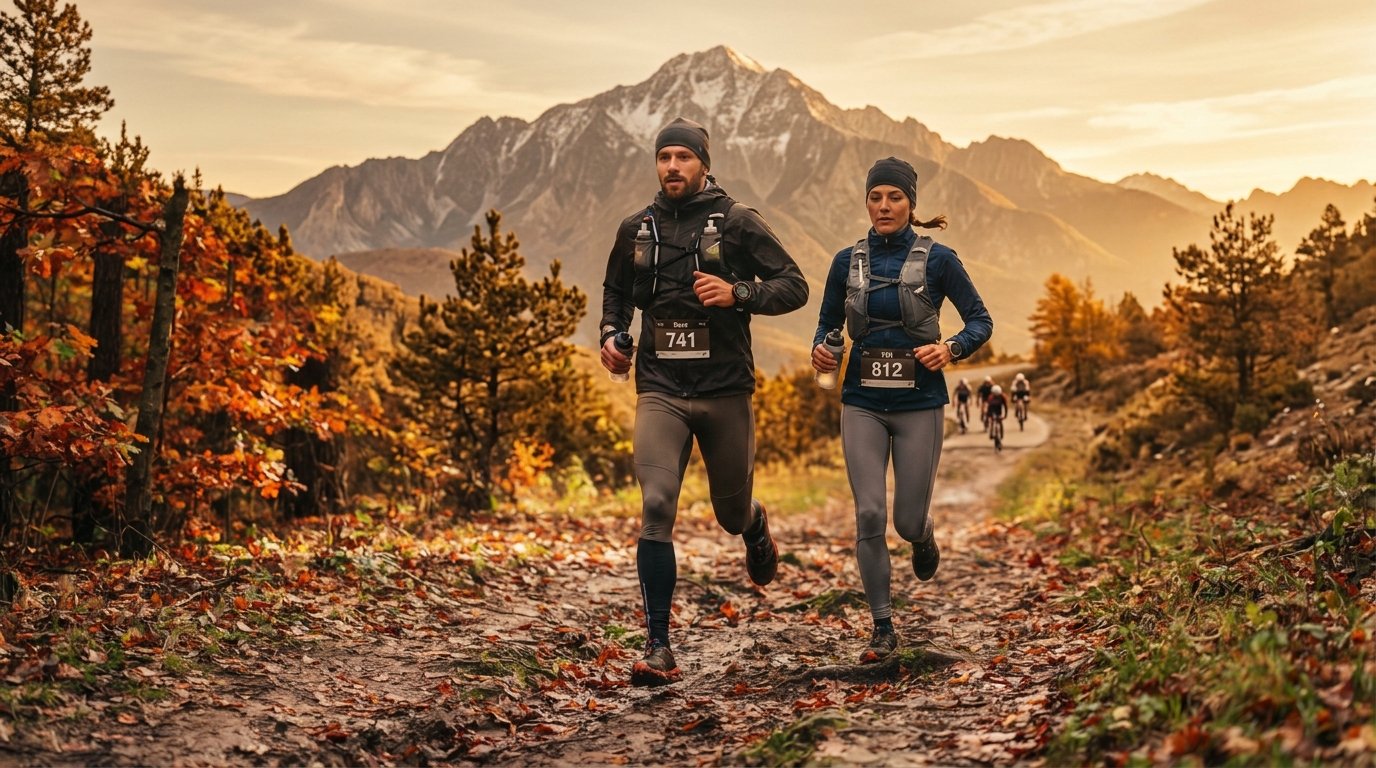
As temperature and humidity drop during the fall and winter months, athletes often face an increased risk of upper respiratory tract infections (URTIs) that can derail months of hard-earned progress. Establishing robust autumn immune resilience is essential for endurance athletes and lifters aiming to maintain training consistency through heavy off-season blocks.
Heavy physical exertion creates a transient period of post-exercise immunodepression—often called the “open window”—during which key defense mechanisms like salivary secretory immunoglobulin A (sIgA) drop. By leveraging targeted whole-food plant protocols rich in high-polyphenol compounds—including garlic-derived allicin, gingerols, and citrus bioflavonoids—athletes can fortify mucosal immunity, blunt excessive systemic inflammation, and prevent performance-robbing illness.
Exercise Immunology: Mucosal Barriers & The “Open Window”
                     EXERCISE IMMUNOLOGY & MUCOSAL DEFENSE MAP
│                                                                               │
│  Exhaustive Endurance/Strength Effort ──► Temporary Drop in Salivary sIgA     │
│                                           │                                   │
│                                           ▼                                   │
│  "Open Window" Vulnerability        ──► Elevated URTI Pathogen Susceptibility │
│                                           │                                   │
│                                           ▼                                   │
│  Polyphenol & Botanical Support    ──► Upregulates Mucosal Defense & NK-Cells │
Maintaining mucosal immunity and systemic pathogen defense during heavy training volumes requires balancing stress hormones with targeted plant bioactives:
Salivary sIgA and First-Line Defense: Salivary secretory IgA acts as the chief immunological barrier in the upper respiratory tract, binding viral and bacterial pathogens before they penetrate epithelial tissues. Prolonged Zone 2 or high-intensity intervals temporarily diminish sIgA secretion rates, opening a window of infection vulnerability.
Allicin from Aged & Fresh Garlic: S-allylcysteine and allicin from crushed garlic enhance gamma-delta T-cell (γδ-T)
expansion and natural killer (NK) cell activity, significantly reducing URTI incidence and duration in athletic populations.Gingerols & Citrus Bioflavonoids: Gingerol active compounds suppress pro-inflammatory cyclooxygenase (COX-2) pathways. Simultaneously, citrus bioflavonoids (hesperidin, rutin, quercetin) act synergistically with vitamin C to protect salivary membranes from exercise-induced oxidative damage.
Head-to-Head: Synthetic Single-Nutrient Megadoses vs. Whole-Food Bioactive Protocols
| Immune Support Protocol | Synthetic High-Dose Supplements (e.g., Synthetic Vitamin C Alone) | Whole-Food High-Polyphenol Protocols |
| Active Compound Matrix | Isolated single ascorbic acid molecules | Synergistic blend of bioflavonoids, polyphenols, & sulfur compounds |
| Gut & Lymphatic Absorption | Rapid urinary excretion at doses >500mg | High bioavailability via cellular carrier co-factors |
| Impact on Training Adaptations | High antioxidant megadoses may blunt mitochondrial signaling | Natural whole-food levels support immunity without impairing adaptation |
| Mucosal sIgA Preservation | Minimal direct impact on mucosal sIgA secretion | Upregulates salivary immunoglobulin & mucosal defenses |
| Gastrointestinal Tolerance | High risk of GI distress or osmotic diarrhea | Highly digestible and supportive of microbiome health |
—–
The Plant-Based Advantage: Whole-Food Immune Defense Protocols
Integrating daily antimicrobial and anti-inflammatory whole-food plant protocols preserves health without disrupting cellular training adaptations:
                         DAILY IMMUNE RESILIENCE PROTOCOL
│                                                                                 │
│  1. Morning Bioflavonoid Infusion ──► Fresh Citrus, Ginger, & Turmeric Tonic    │
│  2. Post-Workout Antimicrobial    ──► Crushed Garlic & Fresh Herbs in Meals     │
│  3. Evening Polyphenol Recovery   ──► Tart Cherry or Berry-Rich Herbal Infusion │
Morning Bioflavonoid Tonic: Combine fresh lemon juice, 1/2 inch of grated raw ginger root, 1/2 teaspoon of ground turmeric, and a pinch of black pepper in warm water to stimulate gastrointestinal immunity and lymphatic flow.
Post-Workout Antimicrobial Garlic Integration: Crush fresh garlic cloves and let them sit for 10 minutes prior to adding them to post-workout recovery dishes. Crucially, allowing crushed garlic to sit before heating activates the enzyme alliinase to yield maximum bioavailable allicin.
Evening Polyphenol Sourcing: Consume dark berries, pomegranate juice, or tart cherry concentrate in the evening to supply rich anthocyanins that soothe systemic inflammatory pathways while supporting restful sleep.
Actionable Seasonal Immune Protocol
Monitor Training Stress & Salivary Indicators: Track heart rate variability (HRV) and watch for early signs of mucosal dryness or throat irritation immediately following long base rides or heavy lifting workouts.
Maintain Daily Carbohydrate Sourcing During Heavy Sessions: Consuming carbohydrates during workouts exceeding 90 minutes attenuates stress hormone surges (cortisol and catecholamines), preserving salivary sIgA levels.
Prioritize Sleep Architecture: Pair whole-food protocols with 7-9 hours of quality sleep to optimize night-time growth hormone release and T-cell recirculation.
Integrating Immune Science with Training & Recovery
Pairing your seasonal immune strategy with structured training blocks and holistic health frameworks ensures consistent progress throughout the year:
Winter Vitamin D3 Synergy: Complement your whole-food protocols with Vitamin D3 Supplementation in Autumn and Winter: Supporting Immunity and Muscle Function.
Fall Base Building Integration: Protect your mucosal immunity during long Zone 2 blocks via Fall Base Building & Fat Oxidation: Transitioning from High-Intensity Racing to Long Zone 2 Blocks.
Seasonal Carbohydrate Sourcing: Fuel your workouts with nutrient-dense starches using Seasonal Root Vegetables and Ancient Grains: Optimizing Complex Carbs for Autumn Training.
Warming Recovery Meal: Incorporate garlic, turmeric, and ginger into our High-Protein Autumn Squash and Lentil Recovery Stew.
Tracking Autonomic Stress: Monitor autonomic nervous system strain and immune stress with Heart Rate Variability: Useful Metric or Overhyped Tech?
Ready to build autumn immune resilience, prevent training disruptions, and elevate your performance with evidence-based coaching? Explore how Online Fitness Coaching can help you achieve your goals today!
References
Gleeson, M. (2007). Immune function in sport and exercise. Journal of Applied Physiology, 103(2), 693–699.
Gleeson, M., Bishop, N. C., Oliveira, M. A., & Tauler, P. (2013). Daily probiotic’s (Lactobacillus casei Shirota) reduction of infection incidence in athletes is associated with maintaining salivary IgA levels. International Journal of Sport Nutrition and Exercise Metabolism, 21(1), 55–64.
Nantz, M. P., Rowe, C. A., Muller, C. E., Creasy, R. A., Stanilka, J. M., & Percival, S. S. (2012). Supplementation with aged garlic extract improves human immune cell function and alleviates severity of cold and flu symptoms: A randomized, double-blind, placebo-controlled study. Clinical Nutrition, 31(3), 337–344.
Schwellnus, M., Soligard, T., Alonso, J. M., Bahr, R., Clarsen, B., Dijkstra, H. P., Gabbett, T. J., Gleeson, M., Hägglund, M., Orchard, J. W., Van Rensburg, C. J., Meeusen, R., Neupert, R., Pieper, B., Renström, P., Yao, X., & Engebretsen, L. (2016). How much is too much? (Part 2) International Olympic Committee consensus statement on load in sport and risk of illness. British Journal of Sports Medicine, 50(17), 1043–1052.
Somerville, V. S., Braakhuis, A. J., & Hopkins, W. G. (2016). Effect of flavonoids on upper respiratory tract infections and immune function: A systematic review and meta-analysis. Nutrients, 8(8), Article 488.