The conventional dogma of distance running has long dictated that the path to a faster race time is paved exclusively with more miles on asphalt. Yet, modern exercise physiology and the extraordinary breakthroughs of elite competitors—such as Olympic standout Parker Valby and collegiate phenom Kat Zang—reveal a paradigm shift. Strategic cross-training for runners has transitioned from a rehabilitation tool for injured athletes into a premier performance-enhancing framework, proving that stellar cardiovascular capacity and race dominance can be achieved while drastically reducing skeletal impact.
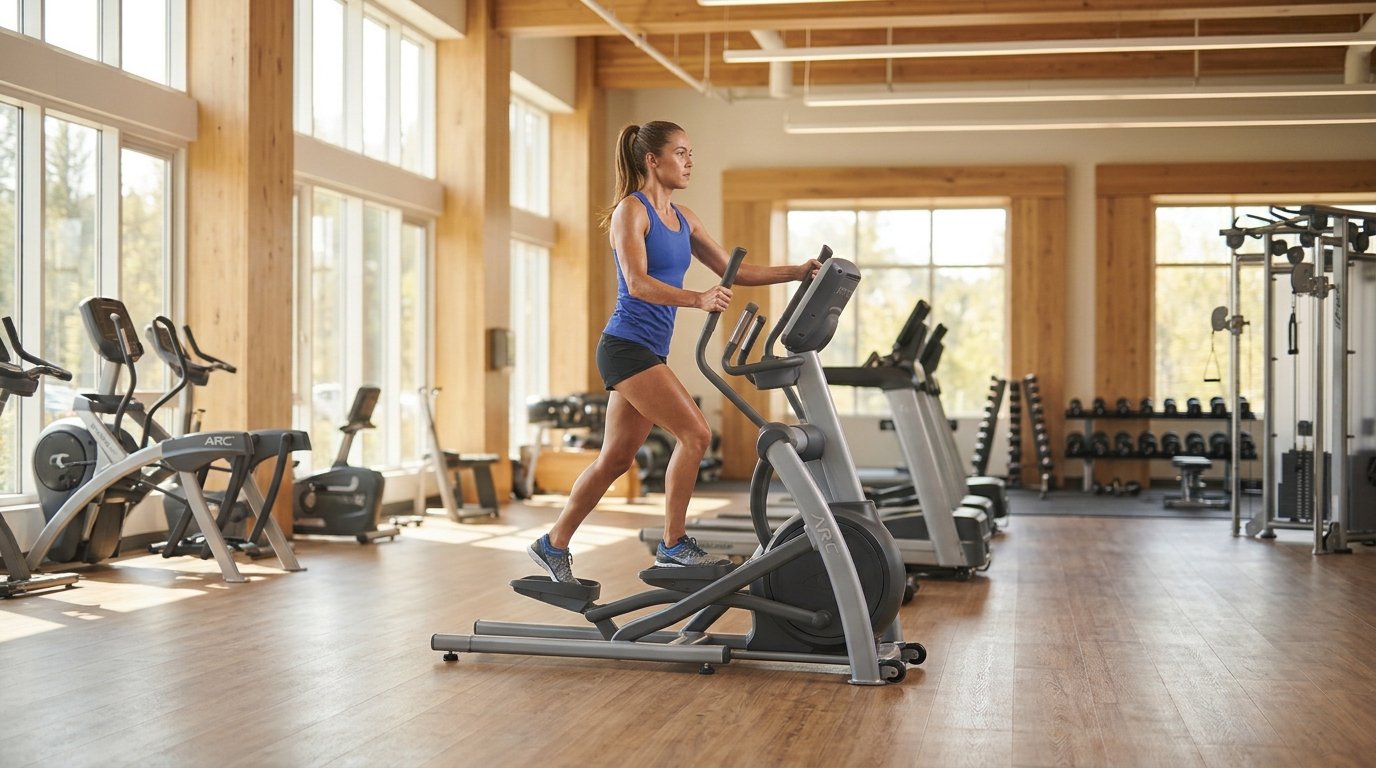
A comprehensive 2009 review demonstrated that alternative aerobic modalities—such as deep-water running, elliptical training, and the arc trainer—can elicit comparable adaptations in maximal oxygen uptake () and stroke volume while eliminating the damaging ground reaction forces associated with high-mileage running. When elite athletes integrate non-impact aerobic volume alongside targeted plant-based nutritional strategies rich in nitrates and anti-inflammatory phytonutrients, they protect bone density, accelerate recovery kinetics, and arrive at the starting line fully primed for peak performance.
Physiological Architecture: Mechanical Relief vs. Central Cardiovascular Adaptation
              NON-IMPACT CROSS-TRAINING ADAPTATION CASCADE
│                                                                        │
│  High-Volume Non-Impact Work (Arc Trainer / Elliptical / Pool)         │
│                               │                                        │
│                               ▼                                        │
│  Stroke Volume & Central Cardiac Output Overload                       │
│                               │                                        │
│                               ▼                                        │
│  Zero Ground Reaction Force ──► Elimination of Skeletal Micro-Damage   │
│                               │                                        │
│                               ▼                                        │
│  Maximal Aerobic Power ──► Fresh Legs for Key High-Intensity Runs      │
The underlying physiological mechanisms explaining how cross-training preserves and enhances running performance involve specific load-management dynamics:
Skeletal Impact Reduction and Bone Preservation: Extensive biomechanical analyses indicate that distance runners absorb roughly 2.5 to 3 times their body weight with every stride, leaving connective tissue and tibial bone prone to overuse injuries. By substituting routine junk mileage with non-impact cross-training machines, athletes lower cumulative skeletal stress while maintaining high weekly time-in-zone.
Central Cardiovascular Overload: Research established that upper- and lower-body integration on specialized cross-training equipment activates large muscle masses, driving significant central cardiovascular adaptations. This enables runners like Parker Valby to sustain elite aerobic power on significantly lower running mileage without sacrificing cardiovascular output.
Accelerating Parasympathetic Rebound: A 2007 physiological investigation highlighted that eliminating repetitive eccentric pounding significantly reduces localized muscle soreness and accelerates autonomic recovery, allowing athletes to execute their key high-intensity track workouts with absolute neuromuscular freshness.
Head-to-Head: High-Mileage Traditional Running vs. Hybrid Cross-Training Architecture
The Plant-Powered Twist: Nitrates and Vascular Efficiency During Cross-Training
                PLANT-BASED NITRIC OXIDE VASCULAR PATHWAY
│                                                                        │
│  Dietary Nitrates (Beetroot Juice, Leafy Greens, Spinach)              │
│                               │                                        │
│                               ▼                                        │
│  Enterosalivary Circulation ──► Nitrite (NO2) Reduction in Tissue      │
│                               │                                        │
│                               ▼                                        │
│  Vascular Smooth Muscle Relaxation ──► Enhanced Oxygen Delivery (VO2)  │
│                               │                                        │
│                               ▼                                        │
│  Improved Cross-Training Economy & Reduced Energy Cost                 │
Supporting a hybrid cross-training model requires specific nutritional protocols to optimize vascular perfusion and metabolic efficiency during extended non-impact sessions:
Dietary Nitrates and Oxygen Cost: Clinical trials led by Jones (2014) demonstrated that inorganic nitrates found abundantly in plant foods—such as beetroot juice, spinach, and arugula—convert to nitric oxide in the body. This reduces the oxygen cost of submaximal exercise, improving economy whether an athlete is running on the track or pushing hard on an arc trainer.
Endothelial Perfusion During Extended Sessions: Because cross-training sessions (such as 90-minute indoor doubles) require prolonged muscular endurance without rest stops, systemic blood flow must remain optimal. Research confirms that plant-derived polyphenols and nitrates maintain endothelial function and capillary dilation during extended aerobic bouts.
Synergy of Plant Antioxidants and Reduced Inflammation: High-volume aerobic work generates reactive oxygen species. Comprehensive reviews show that whole-plant antioxidant profiles neutralize oxidative stress, ensuring rapid recovery between grueling cross-training blocks and key running days.
Actionable Hybrid Cross-Training & Nutrition Protocol
Structure Your Weekly Modality Split: Maintain 2 to 3 targeted running sessions per week (prioritizing quality intervals and long runs) and fill your remaining aerobic volume with 45–90 minutes of non-impact cross-training on an arc trainer, elliptical, or deep-water pool.
Incorporate Pre-Session Plant Nitrates: Consume a concentrated source of dietary nitrates—such as 300ml of beetroot juice or a dark leafy green smoothie—90 minutes prior to heavy cross-training sessions to enhance vascular oxygen delivery.
Protect Recovery with Plant Proteins and Phytochemicals: Support structural repair and glycogen resynthesis by pairing your training block with whole-food carbohydrate and protein sources detailed in our nutrition library.
Integrating Cross-Training Science with Training & Recovery
Combine your hybrid cross-training strategy with target protocols across our site library:
Endurance Intensity Distribution: Master your aerobic base building using principles from Polarized Training (80/20 Rule) vs. Threshold Training: What Science Says About Maximizing Endurance Performance.
Mitochondrial Health & Cellular Energy: Explore cellular adaptation pathways in Zone 2 Cardio for Longevity: Mitochondrial Health, Insulin Sensitivity, and Lifespan Extension.
Plant-Based Fueling Strategies: Optimize your daily micronutrient and macronutrient intake with Supplements for Vegan Endurance Athletes.
Connective Tissue Resilience: Protect your joints and tendons during high-volume training blocks by reviewing Tendon and Connective Tissue Health on Plant-Based Diets.
References
Domínguez, R., Cuenca, E., Maté-Muñoz, J. L., García-Fernández, P., Serra-Paya, N., Estevan, M. C., Herreros, P. V., & Garnacho-Castaño, M. V. (2017). Effects of beetroot juice supplementation on cardiorespiratory endurance in athletes. Nutrients, 9(1), 43.
Ferber, R., Hreljac, A., & Kendall, K. D. (2019). Susceptibility to injury in distance runners: The role of biomechanical and impact loading factors. Journal of Orthopaedic & Sports Physical Therapy, 49(6), 415–424.
Jones, A. M. (2014). Dietary nitrate supplementation and exercise performance. Sports Medicine, 44(S1), 35–45.
Millet, G. P., Vleck, V. E., & Bentley, D. J. (2009). Physiological differences between cycling and running: Lessons from triathletes. Sports Medicine, 39(3), 179–206.
Nieman, D. C., & Mitmesser, S. H. (2017). Potential impact of nutrition on immune system recovery from heavy exertion: A review. Nutrients, 9(5), 513.
Seiler, S., Haugen, O., & Kuffel, E. (2007). Autonomic recovery after exercise in trained athletes: Intensity and duration effects. Medicine & Science in Sports & Exercise, 39(8), 1366–1373.
Thomas, D. T., Erdman, K. A., & Burke, L. M. (2016). Position of the Academy of Nutrition and Dietetics, Dietitians of Canada, and the American College of Sports Medicine: Nutrition and athletic performance. Journal of the Academy of Nutrition and Dietetics, 116(3), 501–528.