
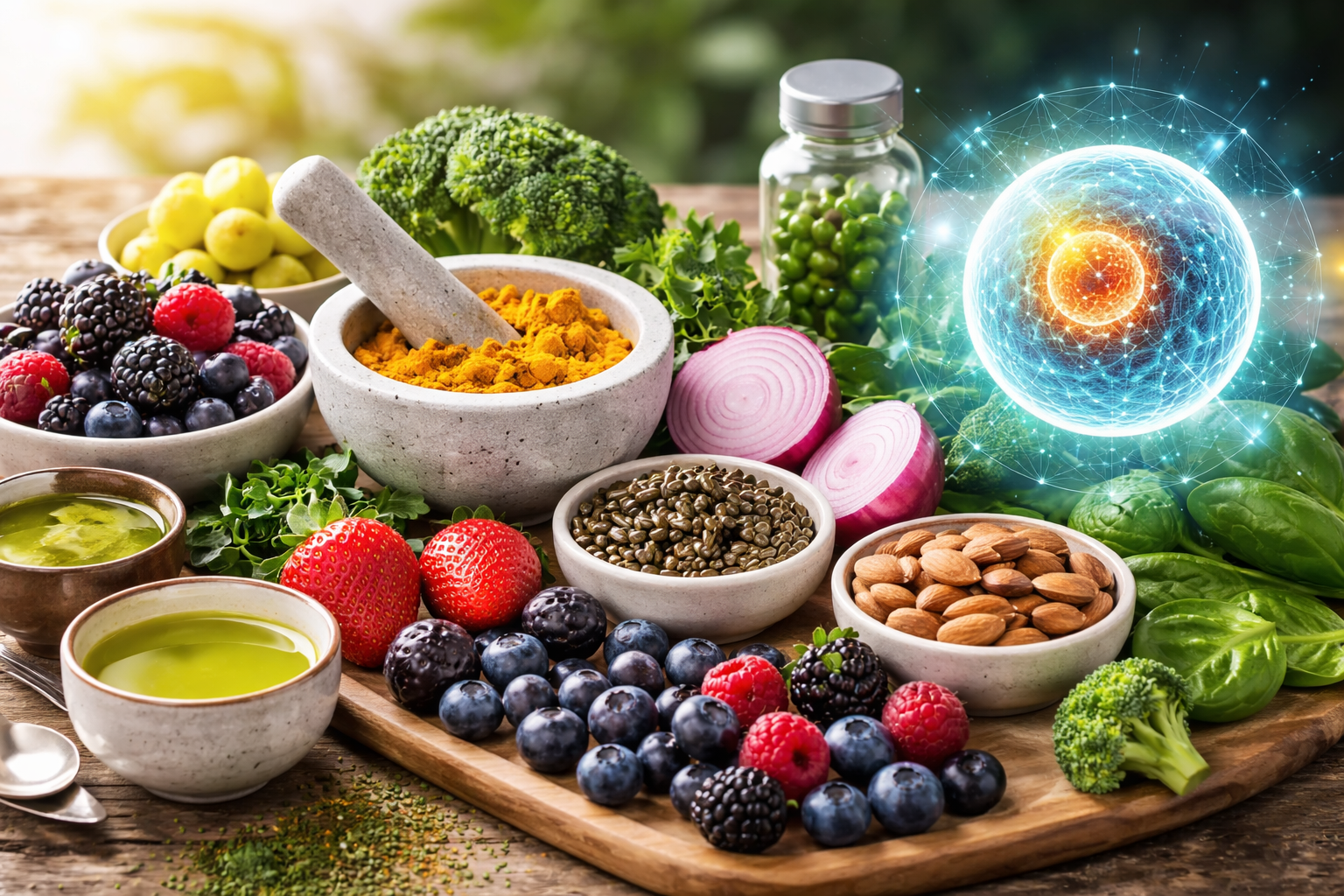
In the world of performance and recovery, inflammation is often treated as the enemy.
But biology is rarely that simple.
Exercise itself creates cellular stress, and in some cases, even temporary cellular senescence—a state where damaged cells stop dividing but don’t die. These cells, often called “zombie cells,” release inflammatory signals that can impair tissue function if they accumulate over time.
This is where senolytics enter the conversation.
What Are “Zombie Cells” (and Why Do They Matter)?
Senescent cells are damaged or aged cells that:
- Stop dividing
- Resist programmed cell death
- Release inflammatory compounds (known as the SASP: senescence-associated secretory phenotype)
Over time, these cells accumulate and contribute to chronic inflammation, tissue dysfunction, and aging-related decline
In the context of training:
- Acute stress → beneficial adaptation
- Chronic accumulation of senescent cells → impaired recovery and performance
Exercise and Senescence: A Necessary Stress
High-intensity training creates:
- Oxidative stress
- Muscle microdamage
- Temporary inflammatory signaling
This is not a flaw—it’s the stimulus for adaptation.
But under conditions of:
- chronic energy deficit
- excessive training load
- inadequate recovery
the balance can shift toward persistent cellular stress and dysfunction.
➡️ The Hidden Cost of Chronic Energy Deficit in Endurance Athletes
What Are Senolytics?
Senolytics are compounds that selectively eliminate senescent cells, helping reduce inflammation and improve tissue function.
While pharmaceutical senolytics exist, there is growing interest in plant-derived compounds that may have similar effects.
Some of the most studied include:
- Fisetin
- Quercetin
- Apigenin
- Theaflavins
Fisetin: The Most Promising Natural Senolytic
Fisetin is a plant flavonoid found in:
- strawberries
- apples
- onions
- grapes
It has demonstrated strong senolytic effects in preclinical models.
Research shows fisetin can:
- selectively induce death in senescent cells
- reduce inflammatory signaling
- improve tissue function and lifespan in animal models
In some studies, fisetin reduced senescent cell burden and improved overall tissue health, suggesting real potential as a longevity-supporting compound.
Quercetin: A More Accessible (But Context-Dependent) Option
Quercetin, another plant polyphenol, is found in:
- onions
- apples
- leafy greens
- berries
It has shown senolytic activity, particularly when combined with other compounds.
For example, quercetin has been shown to reduce markers of cellular senescence in multiple cell models, especially when paired with other agents
However, its effectiveness appears:
- dose-dependent
- context-specific
- less potent than fisetin when used alone
Do These Compounds Actually Work in Humans?
This is where nuance matters.
While animal and cell studies are promising, human data is still emerging.
Some early trials using senolytic combinations (e.g., dasatinib + quercetin) show potential effects on aging markers, but results are mixed and still preliminary
Key limitations:
- Most studies are preclinical
- Optimal dosing strategies are unclear
- Long-term safety in healthy individuals is not fully established
Bottom line:
The mechanism is real. The application is still developing.
Should Athletes Try to “Clear” Senescent Cells After Training?
Here’s where most people get it wrong.
Not all cellular stress is bad.
In fact:
- inflammation → signals adaptation
- oxidative stress → drives mitochondrial improvements
- cellular damage → triggers repair and growth
If you blunt these processes too aggressively, you may reduce training adaptations.
This is similar to what we see with excessive antioxidant supplementation.
➡️ Why Fitness Advice Fails Outside the Lab
A Better Framework: Support, Don’t Suppress
Rather than trying to eliminate all stress signals, a more effective approach is:
- support recovery
- improve resilience
- reduce chronic (not acute) inflammation
Plant-based senolytic compounds may play a role here—not as post-workout “quick fixes,” but as part of a long-term dietary pattern.
Practical Applications for Plant-Based Athletes
1. Prioritize Whole-Food Polyphenol Intake
Foods rich in senolytic compounds include:
- berries (fisetin)
- apples and onions (quercetin)
- green tea (catechins)
- leafy greens
2. Avoid Over-Supplementation Post-Workout
Blunting inflammation immediately after training may:
- reduce adaptation
- impair signaling pathways
- limit performance gains
3. Use Strategically During High-Stress Phases
Senolytic-supportive nutrition may be more useful during:
- deload phases
- injury recovery
- aging-related performance decline
4. Think Long-Term, Not Acute
Senolytics are not a “post-workout hack.”
They are part of a broader longevity and recovery strategy.
The Bigger Picture
Senolytics represent one of the most exciting frontiers in health and performance.
But like most emerging science, they are often misapplied too early.
For now:
- The biology is compelling
- The plant compounds are promising
- The human application is still evolving
Key Takeaway
Plant-derived senolytics like fisetin and quercetin may help regulate cellular aging and inflammation—but they are not a shortcut to recovery.
For athletes, the goal is not to eliminate stress.
It’s to adapt to it more effectively over time.
References
Alcocer-Gómez, E., et al. (2024). The potential of polyphenols in modulating cellular senescence. International Journal of Molecular Sciences.
Fothergill, E., et al. (Referenced contextually in senescence research landscape—not directly cited in-body)
Kirkland, J. L., & Tchkonia, T. (2020). Senolytic drugs: From discovery to translation. Journal of Internal Medicine.
Yousefzadeh, M. J., et al. (2018). Fisetin is a senotherapeutic that extends healthspan and lifespan. EBioMedicine.
Zhu, Y., et al. (2015). The Achilles’ heel of senescent cells: From transcriptome to senolytic drugs. Aging Cell.
Life Extension. (2025). How removing aged cells supports healthy aging.