
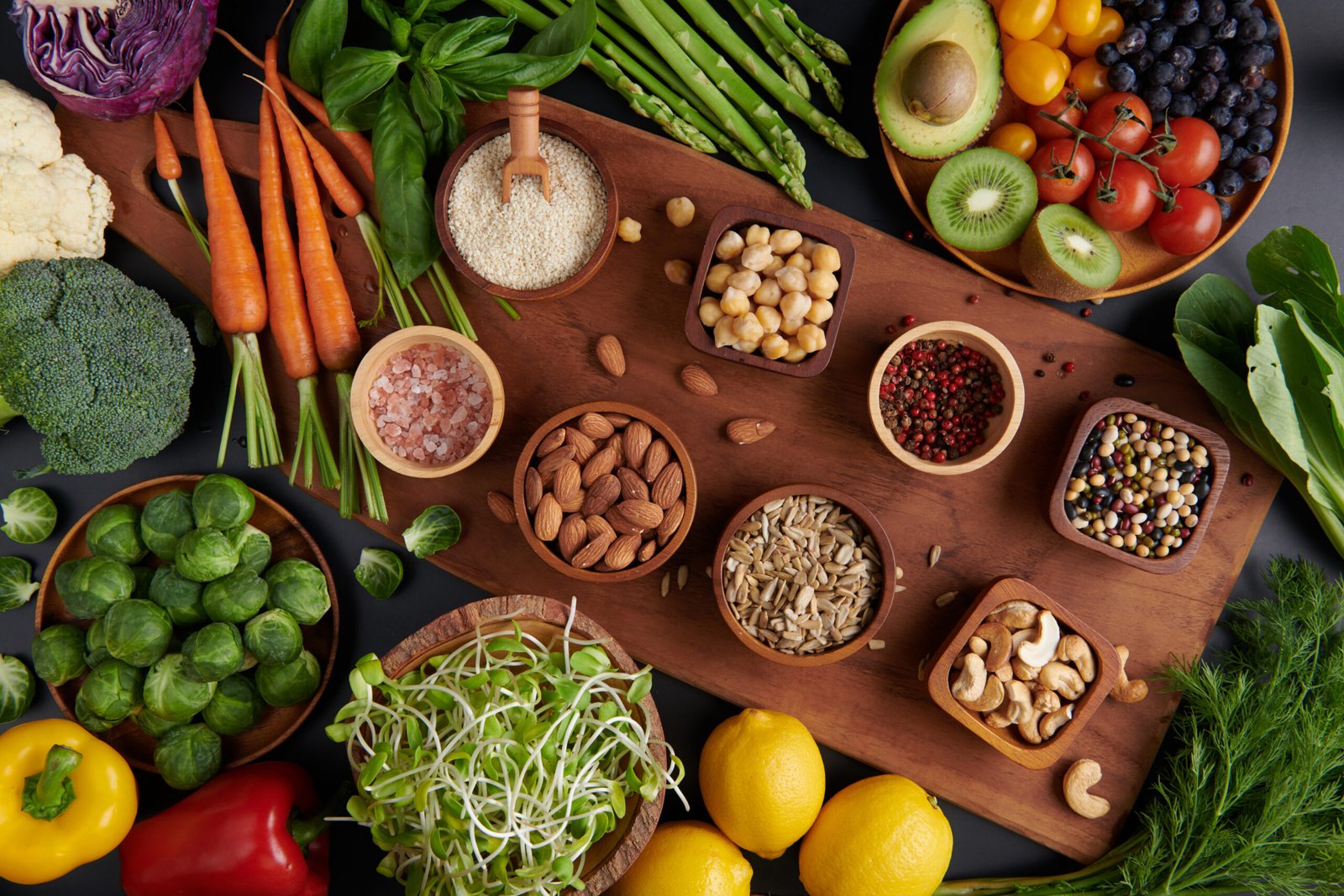
What Is a Nutrition Garden?
When we talk about a Nutrition Garden in plant‑based eating, we’re using a powerful metaphor to help people visualize a balanced, nutrient‑rich diet built around diverse whole plant foods.
Imagine your daily plate as a garden bed:
Each bed (or section) represents a category of plants that delivers different essential nutrients — from vitamins and minerals to fiber and phytonutrients.
Just as a biodiverse garden thrives with many different species, your Nutrition Garden thrives when you fill your diet with a wide array of whole plant foods: leafy greens, colorful vegetables, legumes, whole grains, seeds, nuts, and fruits.
This isn’t a fad diet — it’s an evidence‑based mindset that emphasizes nutrient diversity, low‑processed food quality, and plant‑derived nourishment for improved health, disease prevention, and performance.
Why “Garden Thinking” Matters
1. Maximizes Nutrient Diversity
Plants aren’t just calories — they’re bioactive nutrient treasures.
Whole plant foods provide fiber, vitamins, minerals, and appealing compounds called phytonutrients or phytochemicals that help regulate inflammation, support immune health, and protect against chronic diseases.
A systematic review of plant‑based food diversity underscores that eating a variety of plant foods — fruits, vegetables, grains, legumes, herbs, and more — enriches the nutrient landscape of your diet and connects to better health outcomes.
2. Supports Heart and Metabolic Health
Research consistently links plant‑based eating patterns — especially those high in fruits, vegetables, whole grains, legumes, and nuts — to a lower risk of major chronic diseases, including heart disease, high blood pressure, obesity, type 2 diabetes, and certain cancers.
By structuring meals like a Nutrition Garden, you fill your plate with foods that are naturally high in fiber and low in saturated fats — ingredients science shows help regulate blood sugar, cholesterol, and body composition.
3. Enhances Gut and Immune Function
Dietary fiber — found only in plant foods — feeds the microbiome, your internal ecosystem of bacteria that influences everything from digestion to immune response and metabolism. Diverse plant foods create a more resilient gut microbial community, helping regulate inflammation and nutrient absorption.
4. Boosts Performance and Recovery
Far from limiting athletes, well‑designed plant‑based patterns can support training, recovery, and sport performance. Research suggests plant‑rich diets supply antioxidants and phytonutrients that reduce oxidative stress and support efficient blood flow and muscle function.
➡️ 5 Sneaky Plant‑Based Pitfalls That Sabotage Your Fitness Goals
How to Build Your Nutrition Garden (Actionable Steps)
1. Plant the Foundation
Start with a variety of colors and textures:
- Leafy greens (spinach, kale)
- Cruciferous veggies (broccoli, cauliflower)
- Legumes (beans, lentils)
- Whole grains (quinoa, brown rice)
- Seeds & nuts (chia, walnuts)
- Fruits (berries, citrus)
2. Plant for Diversity
Aim for 30+ different plants per week to maximize fiber and micronutrient intake and promote gut microbial diversity. (This concept aligns with research showing greater plant diversity supports broad health outcomes.)
3. Harvest Mindfully
Diversity doesn’t just benefit health — it keeps meals interesting. Try new vegetables or grains each week, rotate legumes and seeds, and experiment with herbs and spices for flavor and added phytonutrients.
Common Concerns and How to Address Them
A well‑planned plant‑based eating pattern supports all stages of life when nutrient needs are met. Some nutrients — like vitamin B12, DHA/EPA, iron, and omega‑3 fatty acids — may require focused planning or fortification. Consulting with a nutrition professional ensures your garden thrives without gaps.
For sport performance professionals and athletes, tailoring intake around training demands — including adequate protein, energy, and micronutrient timing — ensures plant‑based eating supports goals.
➡️ Benefits of a Vegan Diet for Athletes and Non‑Athletes
Final Thoughts: Grow Health From the Ground Up
A Nutrition Garden isn’t a restrictive diet — it’s a framework for intentional, nutrient‑rich, plant‑forward eating that grows health, performance, sustainability, and longevity. By structuring your meals like a biodiverse garden, you nourish your body with the foods science repeatedly shows promote resilience, vitality, and long‑term health.
References
Abbott Nutrition. (n.d.). Plant-based diet benefits and challenges. Abbott Nutrition News.
Cambridge University Press. (2024). Diversity of plant-based food consumption: A systematic scoping review on measurement tools and associated health outcomes. Proceedings of the Nutrition Society.
LLS Nutrition. (n.d.). The power of plant-based eating.
Medical News Today. (2020). High-fiber foods: Health benefits and tips.
National Library of Medicine. (2022). Nutrition considerations for whole-food plant-based dietary patterns. Current Developments in Nutrition.
National Library of Medicine. (2024). Plant-based diets and athletic performance: A narrative review. Nutrients.
Verywell Health. (2023). Why plant diversity matters for gut health.