Iron Deficiency in Female Athletes: What It Is, Why It Matters & How to Fix It
Iron deficiency is one of the most common nutritional concerns facing physically active women today — particularly those engaged in endurance or high-volume training. While often under-recognized, even mild iron depletion can impair energy metabolism, reduce endurance performance, and slow recovery if left unaddressed.
What Is Iron Deficiency?
Iron is a vital micronutrient involved in:
- Oxygen transport (as a component of hemoglobin)
- Muscle oxygen storage (myoglobin)
- Cellular energy production via mitochondrial enzymes
- Immune and neurological function
Low iron status ranges from iron depletion (low ferritin) to iron deficiency anemia (low ferritin and hemoglobin). You can be iron deficient without anemia — and still experience performance issues.
➡️ Plant-Based Diets and Iron Status in Athletes
Who Is at Risk & How Common Is It?
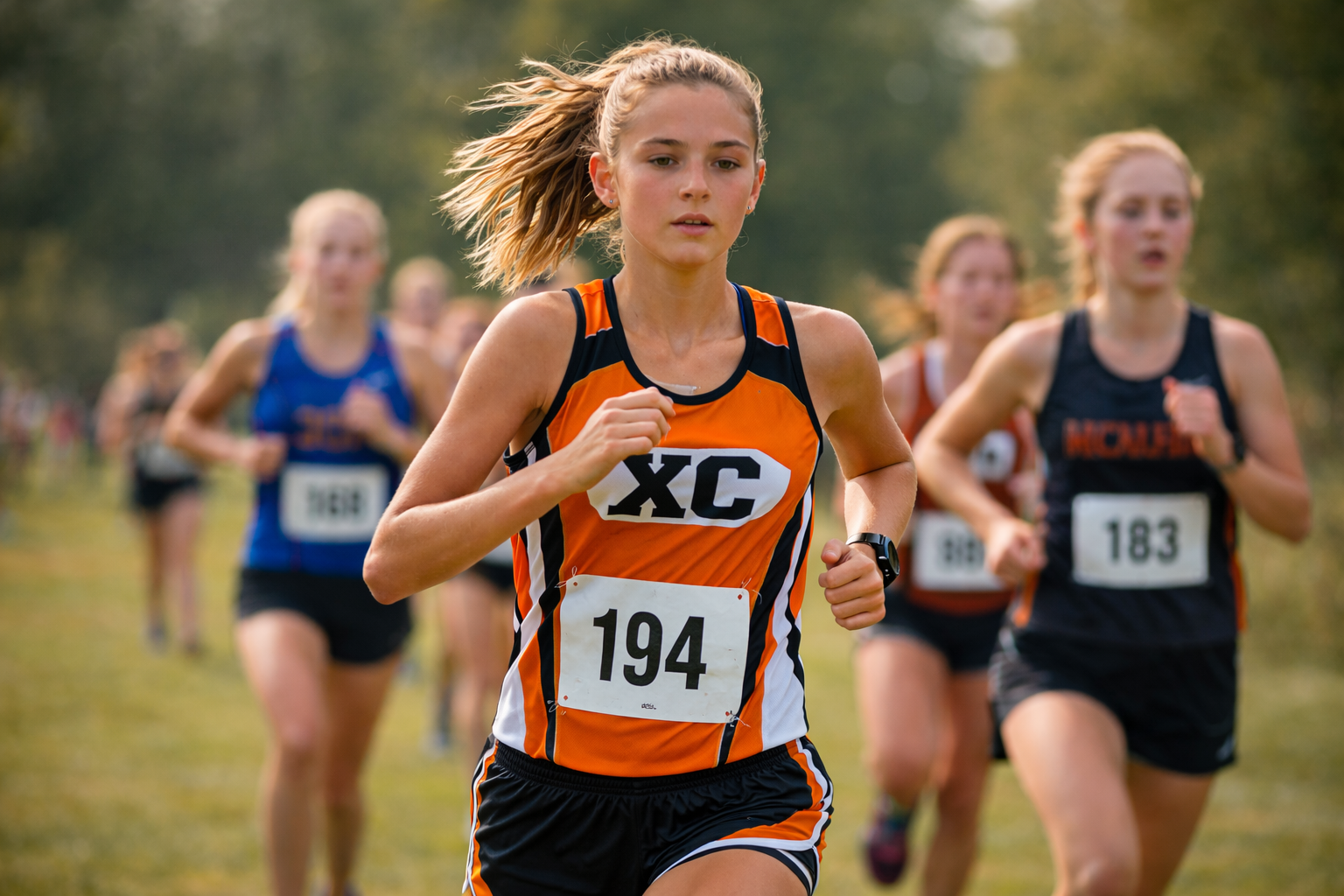
Female athletes, especially endurance competitors, have elevated risk:
- Women lose iron through menstrual blood loss, which can be significant over training cycles.
- Training stress increases iron loss via sweat, gastrointestinal micro-bleeding, and red blood cell breakdown (hemolysis).
- Athletes with low energy availability or restrictive diets may struggle to consume enough bioavailable iron.
Research shows that 15–35% of female athletes have iron deficiency, and in some groups (e.g., collegiate athletes) prevalence can exceed 50%.
Why Female Athletes Are Especially Susceptible
1. Menstrual Iron Loss
Menstruation increases daily iron loss beyond what physically active women can replenish with standard diet alone.
2. Exercise-Induced Loss
Repeated impact (e.g., running) and endurance training elevate iron turnover and trigger inflammation that suppresses iron absorption (via the hormone hepcidin).
3. Dietary Factors
Plant-based and calorie-restricted diets may provide adequate total iron but lower absolute bioavailable iron unless carefully planned with absorption enhancers like vitamin C.
Symptoms to Watch For
Iron deficiency may present as:
- Unusually low energy / fatigue
- Reduced endurance & training capacity
- Shortness of breath with exercise
- Slow recovery or increased perceived effort
Unlike full anemia, classic symptoms such as pallor or marked weakness may be absent early on — so lab testing (e.g., serum ferritin, hemoglobin) is essential.
Performance Impact: What the Evidence Shows
Evidence from systematic reviews and observational studies reveals:
- Iron deficiency can reduce endurance performance by measurable margins.
- Supplementation in iron-deficient female athletes can enhance VO₂max and work capacity by ~2–20% depending on severity and dosing.
- Even non-anemic iron depletion may blunt maximal aerobic capacity.
Diet & Lifestyle Strategies
1. Prioritize Iron-Rich Foods
Include both heme (animal) and non-heme (plant) sources:
- Heme: beef, poultry, fish, organ meats
- Non-heme: legumes, spinach, fortified cereals
2. Optimize Absorption
- Pair iron sources with vitamin C (e.g., citrus, peppers) to enhance uptake.
- Avoid iron inhibitors like coffee, tea, dairy or high phytate foods around iron-rich meals.
3. Energy Availability Matters
Low energy intake itself can worsen iron status by reducing intake relative to losses.
Supplementation: When & How
Supplements are often necessary when dietary measures alone cannot restore adequate iron stores. Clinical strategies may include:
- Oral iron such as ferrous sulfate, taken under medical supervision.
- Timed dosing (e.g., morning on empty stomach) to align with lower hepcidin and improve absorption.
- IV iron in cases of severe deficiency, intolerance to oral iron, or when expedited repletion is required.
Always work with a healthcare provider before beginning supplementation due to potential side effects and risk of iron overload in rare conditions.
Regular Screening Is Key
Routine lab screening enables early detection before performance suffers. Recommended tests include:
- Serum ferritin
- Hemoglobin & hematocrit
- Transferrin saturation
➡️ Plant-Based Diets and Iron Status in Athletes
Final Takeaways
Iron deficiency in female athletes isn’t just “tiredness” — it’s a multifactorial condition linked to loss, intake, absorption, and training stress. With intentional nutrition, strategic supplementation, and regular screening, athletes can protect iron status and sustain performance.
References
Cleveland Clinic. (2023, March 31). Iron deficiency: An under-recognized condition in female athletes.
Mass General Brigham. (2023). Iron supplements for female athletes.
Peeling, P., Dawson, B., Goodman, C., Landers, G., & Trinder, D. (2014). Athletic induced iron deficiency: New insights into the role of inflammation, cytokines, and hormones. European Journal of Applied Physiology, 114(8), 1723–1735.
Peeling, P., Sim, M., Badenhorst, C. E., Dawson, B., Govus, A., Abbiss, C. R., Swinkels, D. W., & Trinder, D. (2017). Iron status and the acute post-exercise hepcidin response in athletes. PLOS ONE, 12(3), e0174926.
Pengelly, M., Pumpa, K., Pyne, D. B., & Etxebarria, N. (2024). Iron deficiency, supplementation, and endurance performance in female athletes: A systematic review. Journal of Sport and Health Science, 13(5), 101009.
Rubeor, A., Goojha, C., Manning, J., & White, J. (2020). Iron deficiency in athletes. Current Sports Medicine Reports, 19(9), 372–379.
Sim, M., Burns, S. F., & Mano, T. (2019). Iron considerations for the athlete: A narrative review. European Journal of Applied Physiology, 119(7), 1463–1478.
Sports Science Exchange. (2021). Contemporary approaches to the identification and treatment of iron deficiency in athletes. Gatorade Sports Science Institute.