
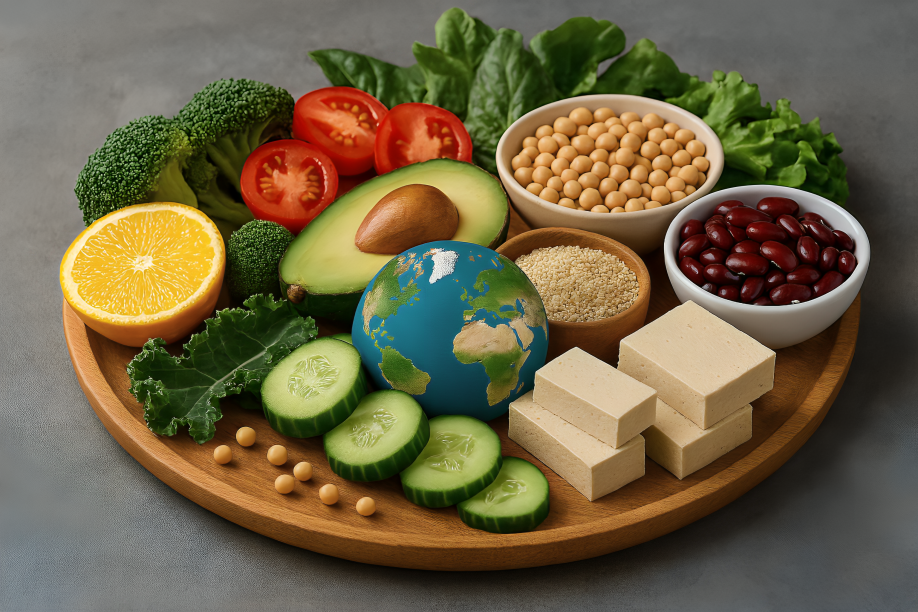
Plant-based diets are often discussed in terms of personal physical health, but their importance reaches much further — into environmental sustainability, animal welfare, cultural transformation, and even the future of global food security.
When we look at the bigger picture, plant-based eating isn’t just a lifestyle choice — it’s a collective action with global implications.
1. Communities and Culture: What We Eat Reflects Who We Are
Dietary choices are deeply intertwined with culture, tradition, and identity. Research indicates that motivations for adopting plant-based diets often go beyond personal health, shaped heavily by personal beliefs, cultural values, and social influences.
In many parts of the world, plant-based eating aligns with longstanding traditions — from Hindu and Buddhist practices rooted in ahimsa (non-violence) to indigenous foodways that celebrate seasonal, plant-centric meals. Elevating plant-based diets acknowledges these cultural legacies and creates space for inclusive, diverse food identities that respect both heritage and sustainability.
2. Environmental Sustainability: Diet as Climate Action
The impact of food systems on the planet is staggering. Animal agriculture is a major contributor to greenhouse gas emissions, land use change, water scarcity, and biodiversity loss. Evidence from multiple studies show that plant-based dietary patterns are consistently linked with lower environmental footprints across these measures.
Greenhouse gas emissions: Plant-based foods require fewer natural resources and produce fewer emissions per calorie than animal products.
Water and land use: Raising livestock consumes vastly more water and land than growing crops alone.
Biodiversity protection: Reduced pressure on land allows ecosystems to recover and supports wildlife habitats.
Adopting plant-based eating broadly is one of the most effective individual and systemic ways to mitigate climate change.
3. Ethical Dimensions: Animal Welfare and Human Values
For many, plant-based diets are inseparable from ethical considerations. Avoiding animal products is a conscious stance against the exploitation inherent in modern animal agriculture — from confinement and mistreatment to systemic practices that prioritize profit over welfare, as illustrated in various studies and reports.
Choosing plants over animal products doesn’t just reduce harm — it reflects a commitment to compassion, justice, and respect for sentient life. That ethical ripple extends into broader concerns about how humans relate to the natural world.
4. The Future of Food: Resilient and Equitable Systems
Global challenges like climate change, population growth, food insecurity, and public health stressors demand resilient systems. Plant-based diets play a role in building that resilience:
Resource efficiency: Feeding crops directly to people instead of through livestock increases the food available per unit of land or water.
Food security: More plant-based production could help improve access to nutritious foods for underserved communities globally.
Economic sustainability: Reductions in chronic disease burden from diet shifts can reduce healthcare costs and free up societal resources for other needs.
Taken together, these pathways suggest plant-based diets are not just good for individuals — they are essential to long-term planetary health and human flourishing.
Conclusion
The importance of plant-based diets goes far beyond individual health metrics. From honoring cultural identity to combating climate change, supporting animal welfare, and building equitable global food systems, plant-based eating is a holistic and forward-looking choice.
Far from being a fringe trend, it is a vital component of the solutions needed to sustain life on Earth — for people, ecosystems, and future generations.
References
Carey, C. N., Paquette, M., Sahye-Pudaruth, S., Dadvar, A., Dinh, D., Khodabandehlou, K., et al. (2025). Perceived motivators and barriers to consuming a plant-based diet: A qualitative research study. BMC Nutrition, 11, 108.
Carey, C. N., Paquette, M., Sahye-Pudaruth, S., Dadvar, A., Dinh, D., Khodabandehlou, K., … Jenkins, D. J. A. (2023). The environmental sustainability of plant-based dietary patterns: A scoping review. The Journal of Nutrition, 153(4), 857–869.
Gibbs, J., Esposito, G., & … et al. (2022). Plant-based dietary patterns for human and planetary health. Nutrients.
Lacour, C. T., … & Smith, P. (2018). Environmental impacts of plant-based diets: A review of dietary relative greenhouse gas emissions, land use, and biodiversity effects. Frontiers in Nutrition.
Viroli, G. (2023). Exploring benefits and barriers of plant-based diets: Impact on population health and environmental sustainability. Journal of Nutrition & Food Sciences.