
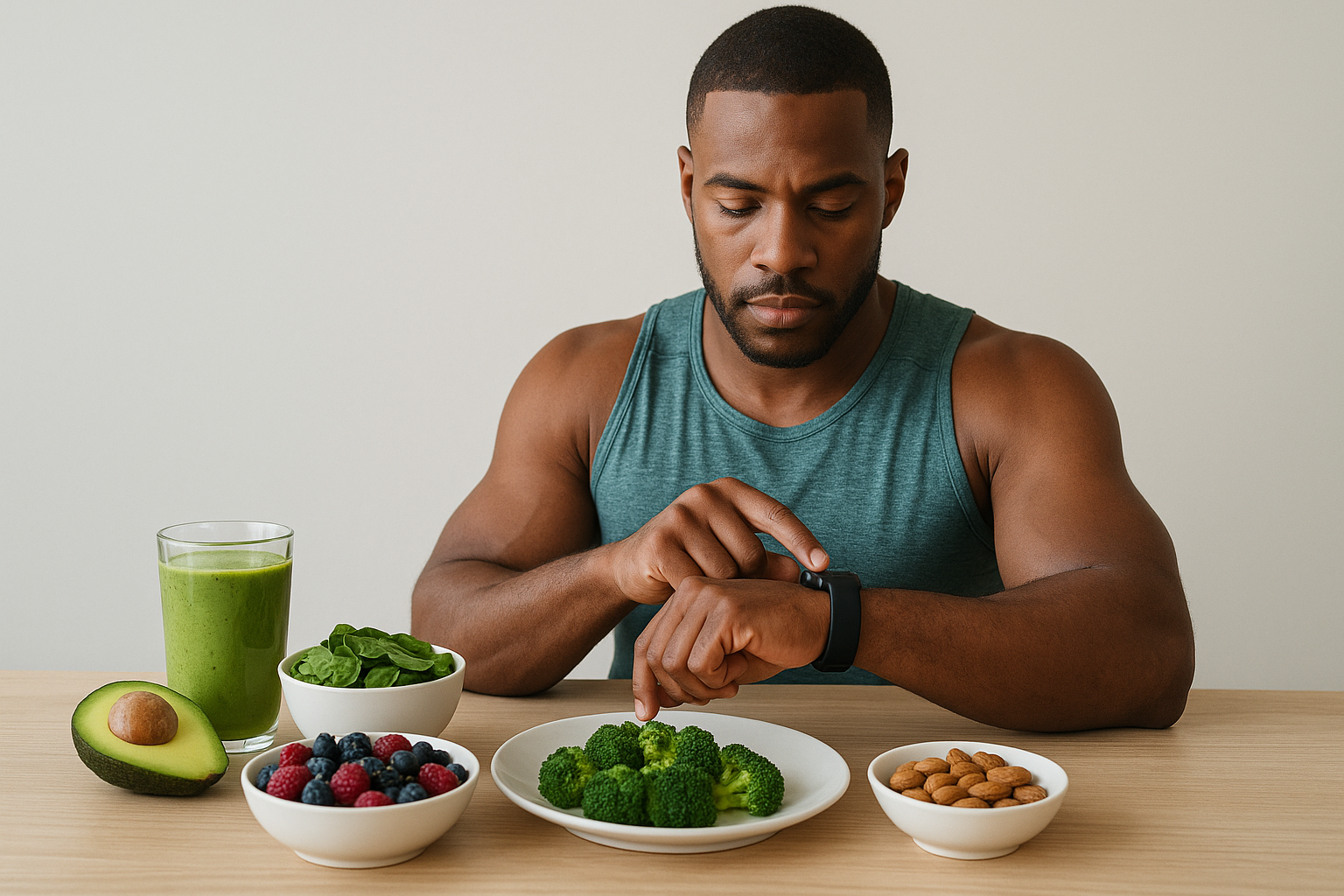
Nutrition + Lifestyle to Reduce Chronic Inflammation and Accelerate Adaptation
For athletes — whether weekend warriors, endurance athletes, or gym regulars — training causes stress, micro-damage, and inflammation. While acute inflammation is part of the repair process, persistent or poorly managed inflammation can stall recovery, impair performance, or even lead to long-term joint and tissue issues. The good news: with the right nutrition and lifestyle habits, you can support recovery, reduce chronic inflammation, and accelerate adaptation. Here’s how.
Why Inflammation Matters (and Why We Should Care)
Inflammation is a natural response to physical stress — like the micro-tears in muscle fibers from training. But when inflammation lingers, or when recovery is inadequate, there can be adverse reactions: It can suppress muscle regeneration, increase soreness, prolong recovery, and impair performance over time.
Adopting an anti-inflammatory approach doesn’t aim to eliminate inflammation entirely — that would hamper adaptation — but to regulate its duration and intensity, helping the body recover efficiently and maintain joint and tissue health.
Core Anti-Inflammatory Nutrition for Athletes
Here are the most evidence-supported foods to include regularly if you want to support recovery, reduce systemic inflammation, and optimize long-term performance:
1. Omega-3s
Best whole foods for plant-based omega-3 are chia seeds, flaxseed (especially ground or oil), and walnuts, which have anti-inflammatory and cell-protective properties.
Although a 2024 review noted that evidence is still mixed in healthy adults regarding omega-3s’ effects on post-exercise inflammation and performance, its potential to support muscle preservation and reduce chronic inflammation remains significant.
2. Berries & Colorful Fruits / Vegetables
Fruits rich in antioxidants — especially berries like blueberries, strawberries, raspberries — deliver phytochemicals (e.g., anthocyanins) that help neutralize free radicals and reduce oxidative stress — a major contributor to inflammation.
Adding a serving of these in smoothies, oatmeal, or as a snack can make a real difference over time.
3. Leafy Greens & Cruciferous Veggies
Spinach, kale, Swiss chard, broccoli, and similar greens are loaded with vitamins, minerals, and phytonutrients that support joint health, antioxidant defenses, and inflammation regulation.
4. Nuts, Seeds & Healthy Fats
Almonds, walnuts, chia seeds, flaxseeds — and healthy oils like extra-virgin olive oil — provide unsaturated fats, vitamin E, and antioxidants that provide multiple health benefits such as help modulate inflammation and support cardiovascular, joint, and overall cellular health.
5. Anti-Inflammatory Spices & Phytonutrients
Natural anti-inflammatory compounds like curcumin (from turmeric) and gingerols (from ginger) have potent effects on inflammation and muscle soreness, particularly post-exercise.
6. Whole Grains, Legumes & Complex Carbs
Whole grains, lentils, beans, quinoa, oats, and brown rice — as opposed to refined carbohydrates — have various beneficial health implications such as stabilize blood sugar, reduce pro-inflammatory responses, and support sustainable energy and recovery.
Lifestyle Habits That Amplify Anti-Inflammatory Effects
Nutrition is only part of the equation. Recovery-friendly lifestyle habits are equally important:
Prioritize quality sleep and rest — poor sleep has been linked to elevated inflammatory markers and slows recovery.
Balance training and recovery — alternating intense sessions with lower-intensity or mobility/recovery work helps avoid chronic overuse inflammation.
Include movement variety and active recovery — gentle mobility, flexibility, and light aerobic work support circulation and inflammation resolution.
Hydration, stress management, and gut health — these play roles in inflammation regulation, immune function, and overall recovery capacity.
Sample Anti-Inflammatory Meal Plan for Athletes (1 Day)
| Meal | Foods/Ingredients |
|---|---|
| Breakfast | Oatmeal with mixed berries + chia seeds + a handful of walnuts; green tea |
| Snack | Greek yogurt (or plant-based option) with spinach/kale smoothie + a tablespoon of flaxseeds |
| Lunch | Quality plant-protein (e.g., tofu) salad with mixed leafy greens, cherry tomatoes, olives, olive oil dressing, and whole-grain bread or brown rice |
| Snack / Pre- or Post-Workout | Mixed nuts (almonds, walnuts) + a piece of fruit (e.g. berries or an apple) |
| Dinner | Stir-fry or roasted vegetables (leafy greens, broccoli, colorful veggies) + legumes (lentils, chickpeas) + quinoa or whole grains; add turmeric/ginger spice; side of avocado or olive oil-based dressing |
| Recovery / Wind-down | Herbal tea (e.g. ginger tea), hydration, light stretching or mobility work, sufficient sleep |
This kind of meal plan offers a balance of anti-inflammatory foods, protein, healthy fats, and recovery-supportive micronutrients — ideal for athletes training regularly.
What the Research Says (and What’s Still Uncertain)
A recent systematic review found potential benefits of omega-3 supplementation for recovery, muscle preservation, and inflammation — though results remain inconclusive in healthy athletic populations.
Polyphenol-rich foods and juices (e.g. from berries, cherries, colorful fruits) have been shown to attenuate oxidative stress and inflammation post-exercise, reducing delayed-onset muscle soreness (DOMS) and supporting recovery.
Diets combining antioxidant, anti-inflammatory, and micronutrient-rich foods (healthy fats, leafy greens, whole grains, legumes) appear especially effective when paired with proper rest, recovery, and balanced training.
Still: because athlete population studies vary (in sport, intensity, diet, recovery protocols), results are sometimes mixed — so personalization, consistency, and lifestyle context matter most.
Practical Takeaways for You (the Athlete / Coach)
Don’t rely solely on protein shakes and macros. Prioritize whole foods with natural anti-inflammatory properties — fish, berries, greens, nuts, etc.
Combine good nutrition with recovery habits: sleep, mobility, hydration, and varied training intensity.
Make anti-inflammatory eating a consistent habit, not a short-term fix. The effects on recovery, joint health, immunity, and performance accumulate over time.
Listen to your body. Use foods/spices like turmeric or tart-cherry juices, but pay attention to how you feel: energy, soreness, digestion, sleep — adjust accordingly.
Periodize: in heavy training blocks or competitions, emphasize recovery-focused nutrition + rest; in maintenance or light periods, maintain a balanced anti-inflammatory diet to sustain health and performance.
References
Ajmera, R. (2025, May 19). 6 plant sources of omega-3 fatty acids. Healthline.
Filiz, Ö. (2023). Antioxidant and anti-inflammatory components in athlete diets: spinach, nuts, seeds, and spices for optimal recovery. Journal of Sport for All and Recreation, 2025.
Hernandez, M. (2024). Omega-3 fatty acid supplementation on post-exercise inflammation, muscle damage, oxidative response, and sports performance in physically healthy adults: A systematic review. Nutrients, 16(13), 2044.
Kroll, J., & McIntyre, L. (2023). An athlete’s guide to foods that help fight inflammation. Working Against Gravity.
Lee, S., & Ramirez, D. (2021). Anti-inflammatory diet for athletes: combining nutrition and recovery. Impulse Nutrition.
Martin, B. (2022). Foods that fight inflammation for lifelong athletes. Runner’s World.
Smith, J. (2025). Fighting inflammation with food. Harvard Health.