
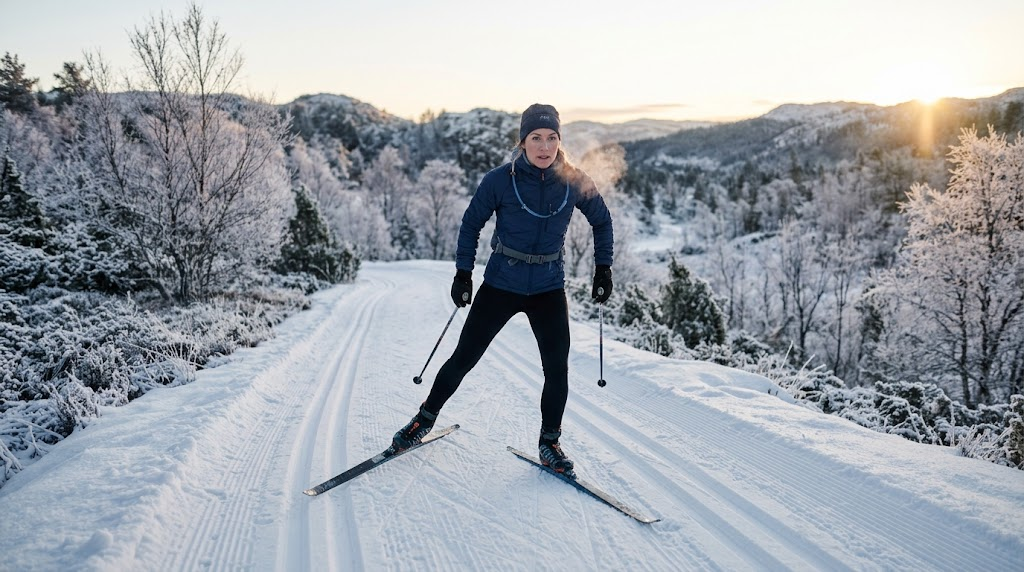
When autumn temperatures plummet and biting winter winds set in, endurance athletes often experience an unexpected drop in stamina, early muscle fatigue, and rapid dehydration. Optimizing cold-weather endurance performance requires managing peripheral vasoconstriction, accounting for the elevated metabolic costs of shivering thermogenesis, and overriding blunted thirst mechanisms to maintain fluid and electrolyte balance.
Cold ambient conditions induce systemic vasoconstriction to protect core body temperature, shifting blood volume to the thoracic cavity and triggering cold-induced diuresis. Simultaneously, breathing cold, dry air drastically accelerates respiratory water loss while lower skin temperatures suppress central thirst signals by up to 40%. By adjusting fluid concentrations and electrolyte ratios, plant-powered cyclists, trail runners, and endurance lifters can protect substrate utilization and preserve peak power output.
Exercise Physiology: Vasoconstriction, Shivering Costs & Thirst Blunting
                   COLD-WEATHER HYDRATION & METABOLIC AXIS
│                                                                          │
│  Cold Air & Wind Exposure ──► Peripheral Vasoconstriction & Core Shift   │
│                                           │                              │
│                                           ▼                              │
│  Central Blood Volume Increase ──► Suppresses ADH (Cold-Induced Diuresis)│
│                                           │                              │
│                                           ▼                              │
│  Blunted Thirst Signal (-40%) ──► Voluntary Dehydration & Glycogen Loss  │
Cold environments impose unique physiological demands that alter cardiovascular stability and substrate oxidation:
Peripheral Vasoconstriction & Cold-Induced Diuresis: Exposure to cold activates sympathetic cutaneous vasoconstriction to insulate core organs. The resulting central volume expansion tricks arterial baroreceptors into downregulating antidiuretic hormone (ADH), driving increased urine output (cold-induced diuresis) despite cellular dehydration.
Metabolic Cost of Shivering Thermogenesis: Inadequate thermal layering triggers involuntary muscular contractions (shivering), accelerating intramuscular glycogen breakdown by up to 200-500%. This rapid reliance on carbohydrate oxidation depletes muscle glycogen stores long before primary endurance fatigue would typically manifest.
Blunted Central Thirst Mechanism: Cold ambient temperatures lower peripheral vascular compliance and elevate central blood pressure. This blunts the hypothalamic osmoreceptor sensitivity responsible for triggering thirst, leading to severe voluntary dehydration during long outdoor workouts.
Head-to-Head: Warm vs. Cold-Weather Hydration Dynamics
| Physiological Metric | Warm-Environment Exercise (>25∘C) | Cold-Environment Exercise (<5∘C) |
| Primary Fluid Loss Pathway | Profuse cutaneous sweating | Respiratory evaporation & Cold-Induced Diuresis |
| Thirst Sensation Sensitivity | High (Driven by high plasma osmolality) | Blunted (Suppressed by central blood shift) |
| Glycogen Depletion Rate | Standard baseline oxidation | Accelerated (Driven by shivering thermogenesis) |
| Gastric Emptying Rate | Standard to slow (Heat-stress delayed) | High (Supports slightly higher carbohydrate concentrations) |
| Electrolyte Loss Profile | High Sodium (Na+) concentration loss | Moderate Sodium, high fluid volumetric turnover |
—–
The Plant-Based Fueling Advantage: Cold-Weather Solution Formulations
Because gastric emptying rates remain high or slightly accelerate in cool conditions, athletes can adjust beverage osmolality to deliver warm fluid, carbohydrates, and bioavailable sodium:
                     COLD-WEATHER FUELING & FLUID MATRIX
│                                                                          │
│  1. Warm Liquid Base     ──► Prevents Gastrointestinal Cooling Drops     │
│  2. 8–10% Carbohydrate   ──► Maltodextrin + Fructose for Glycogen Sparing│
│  3. Bioavailable Electrolytes──► High Sodium + Potassium to Retain Fluid │
Adjusting Carbohydrate Concentration (8-10% Solutions): Unlike summer heat where 6% isotonic solutions prevent GI distress, cold weather allows for slightly higher carbohydrate density (8-10%) without slowing gastric emptying. Utilizing a 2:1 maltodextrin-to-fructose ratio fuels elevated glucose oxidation caused by cold thermogenesis.
Warm Hydration Delivery: Carrying warm liquid in insulated stainless steel flasks prevents GI cooling, reduces the metabolic cost of warming ingested fluids to core temperatures, and improves voluntary intake.
Sodium-Enhanced Fluid Retention: Adding 500-700mg of sodium per 500mL of warm fluid stimulates plasma volume expansion and counters cold-induced diuresis.
Actionable Winter Thermoregulation & Hydration Protocol
Pre-Hydrate on Schedule: Drink 500mL of warm water with electrolytes 2 hours before stepping into the cold to offset early diuresis.
Execute Timed Drinking (Ignore Thirst): Set a recurring timer for 15-20 minutes to ingest 150-200mL of warm carbohydrate-electrolyte solution, bypassing suppressed thirst cues.
Layer with Moisture-Wicking Synthetics: Utilize a three-layer system (synthetic base layer, insulating mid-layer, windproof outer shell) to minimize sweat accumulation, preventing post-exercise evaporative cooling.
Integrating Cold-Weather Science with Training & Recovery
Combine cold-weather hydration strategies with sleep architecture, adaptogenic support, and micronutrient timing for comprehensive off-season performance:
Circadian & Morning Photons: Align outdoor morning training with light exposure in Circadian Alignment in Shorter Days: Optimizing Morning Light and Evening Wind-Down.
Adaptogenic HPA Support: Buffer cold-weather training stress using Ashwagandha & Rhodiola for Autumn Fatigue: Adaptogen Guide.
Protecting Recovery Sleep: Prevent cold-induced stress from disrupting sleep stages in Sleep Architecture, Melatonin, and Autumn Time Changes: Protecting Body Composition.
Winter Micronutrient Defense: Maintain immune function and muscle contraction during cold blocks with Vitamin D3 Supplementation in Autumn and Winter: Supporting Immunity and Muscle Function.
Warm Post-Workout Recovery Fueling: Rehydrate and refuel post-ride with our savory High-Protein Autumn Squash and Lentil Recovery Stew.
Ready to master cold-weather thermoregulation, optimize your winter endurance fueling, and elevate your performance with evidence-based coaching? Explore how Online Fitness Coaching can help you achieve your goals today!
References
Castellani, J. W., & Tipton, M. J. (2015). Cold stress effects on exposure, performance and health. Journal of Applied Physiology, 119(12), 1421–1430
Galloway, S. D., & Maughan, R. J. (1997). Effects of ambient temperature on the capacity to perform prolonged cycle exercise in man. Medicine and Science in Sports and Exercise, 29(9), 1240–1249.
Kenefick, R. W., Hazzard, M. P., Mahood, N. V., & Castellani, J. W. (2004). Thirst sensations and AVP responses during exercise in the cold and thermoneutral environments. Journal of Applied Physiology, 97(4), 1437–1444.
Sawka, M. N., Burke, L. M., Eichner, E. R., Maughan, R. J., Montain, S. J., & Stachenfeld, N. S. (2007). American College of Sports Medicine position stand: Exercise and fluid replacement. Medicine and Science in Sports and Exercise, 39(2), 377–390.